
Climbing Mount Kilimanjaro: The Complete Guide
Africa's highest mountain needs no ropes or climbing skills — just good preparation, the right route and a patient crew. Everything you need to know before you climb, in one place.
Plan your climb
 Kilimanjaro Routes Compared
Machame, Lemosho, Marangu, Rongai, Umbwe and more — side by side. Read the guide
 Kilimanjaro Climb Cost
Our prices by route, what a price should include, and the extras. Read the guide
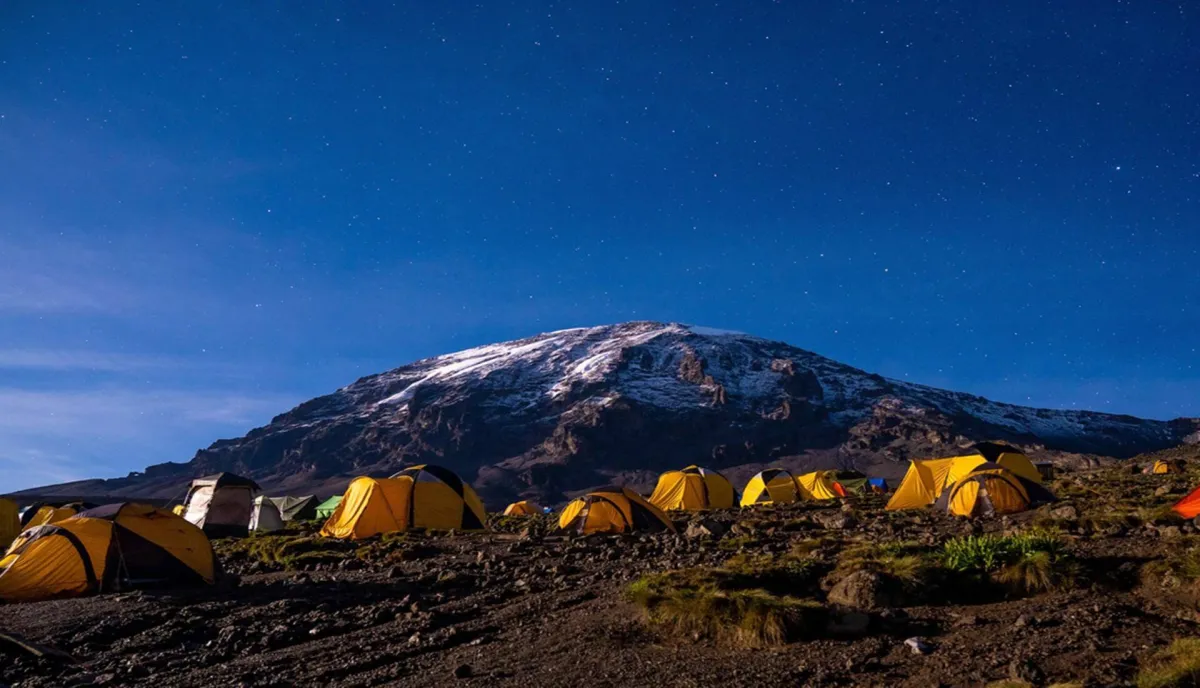 Best Time to Climb Kilimanjaro
Dry seasons, rainy months, crowds and full-moon summit nights. Read the guide
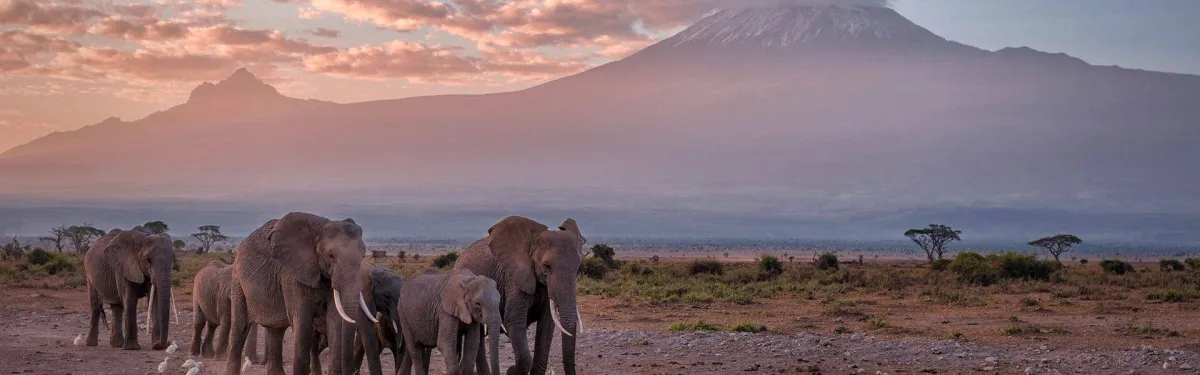 Kilimanjaro Weather and Temperature
Temperatures zone by zone, summit cold, rain and snow. Read the guide
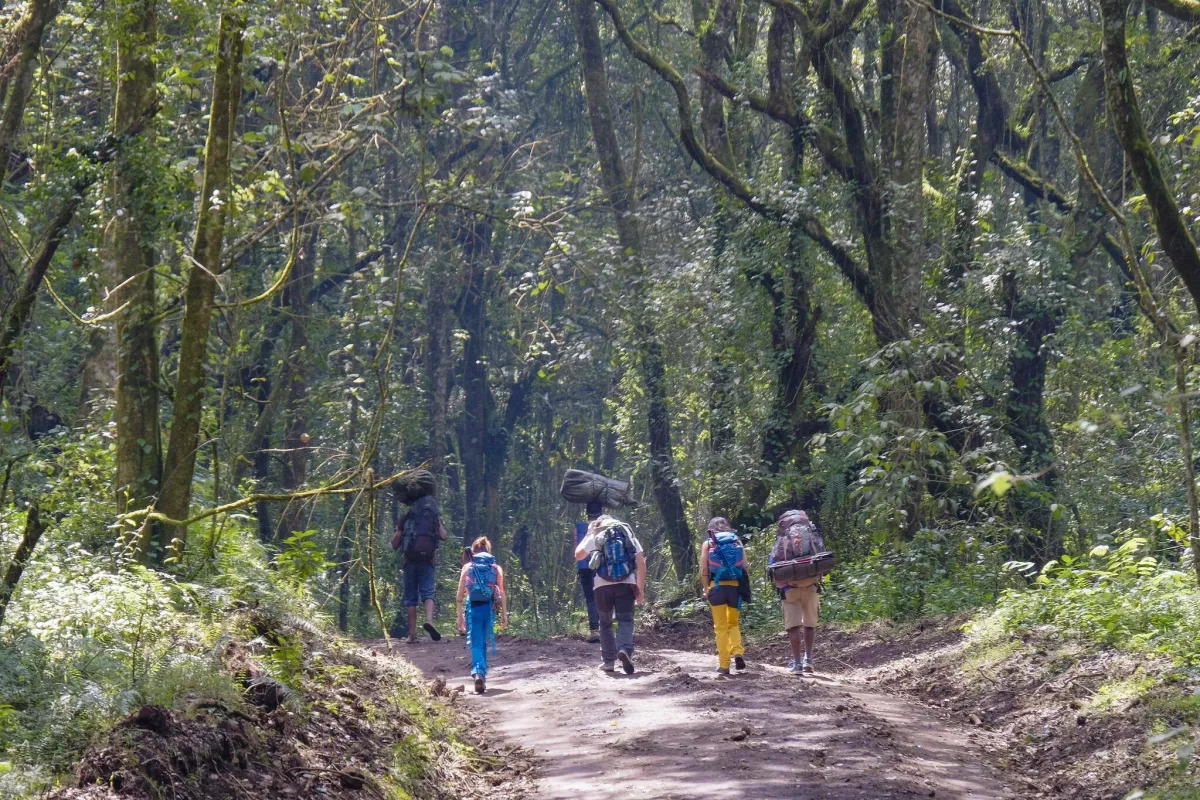 Training for Kilimanjaro
How fit you need to be, and a simple 12-week plan. Read the guide
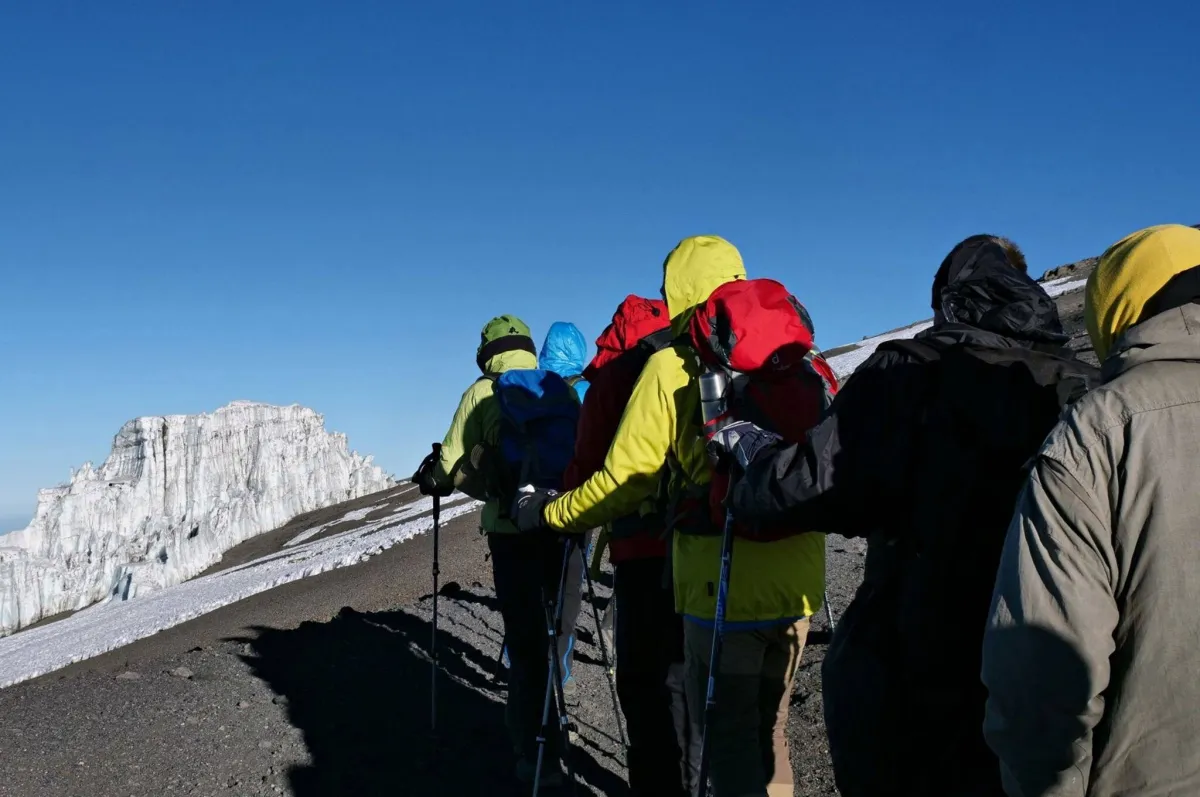 Kilimanjaro Gear List
Layers, boots, sleeping bag and the small things that matter. Read the guide
On the mountain
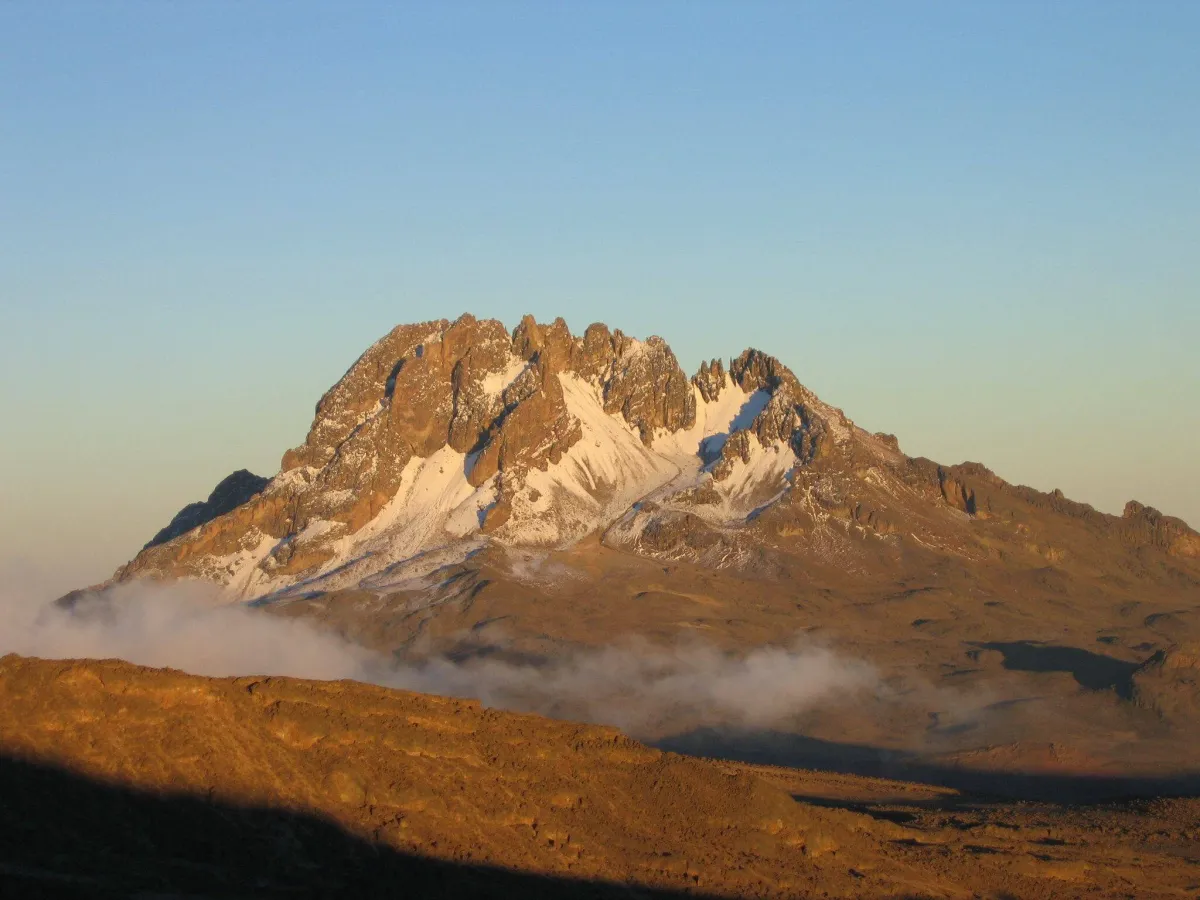 Altitude Sickness on Kilimanjaro
Symptoms, prevention, medication and when to turn back. Read the guide
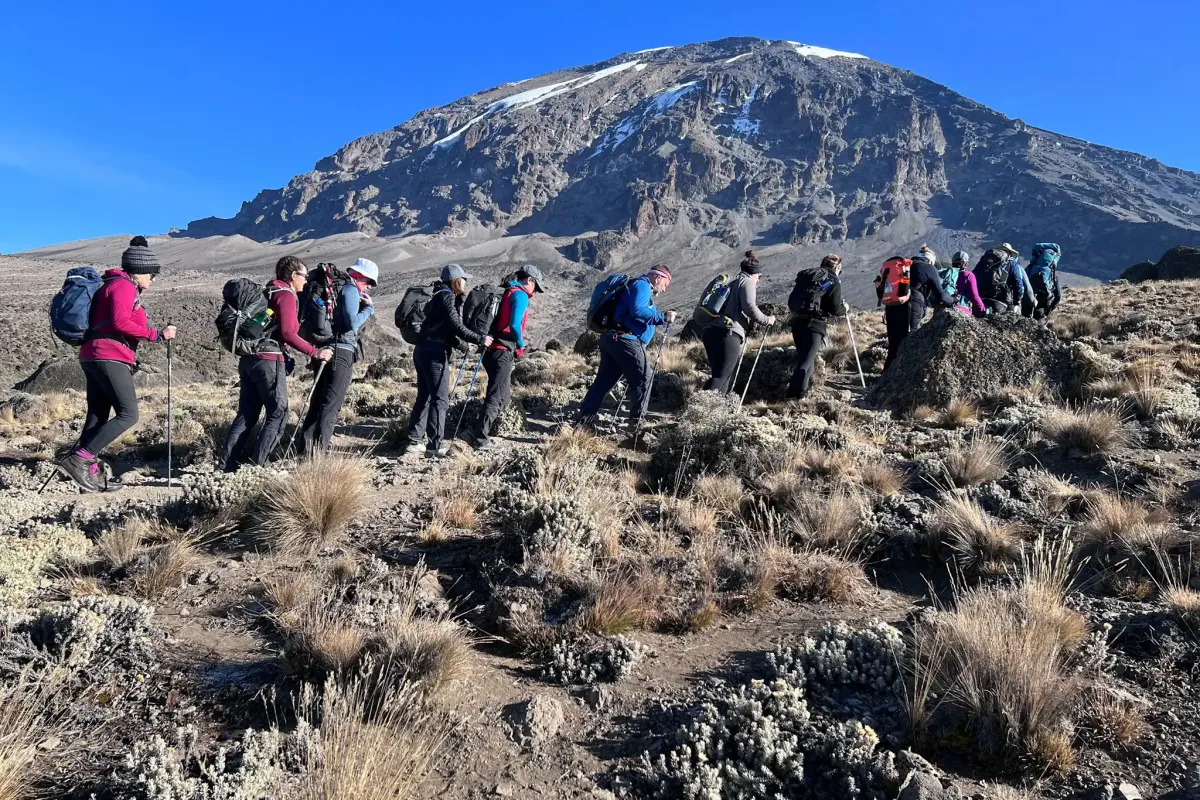 Kilimanjaro Porters and Crew
Guides, cooks and porters — what they do and how to treat them well. Read the guide
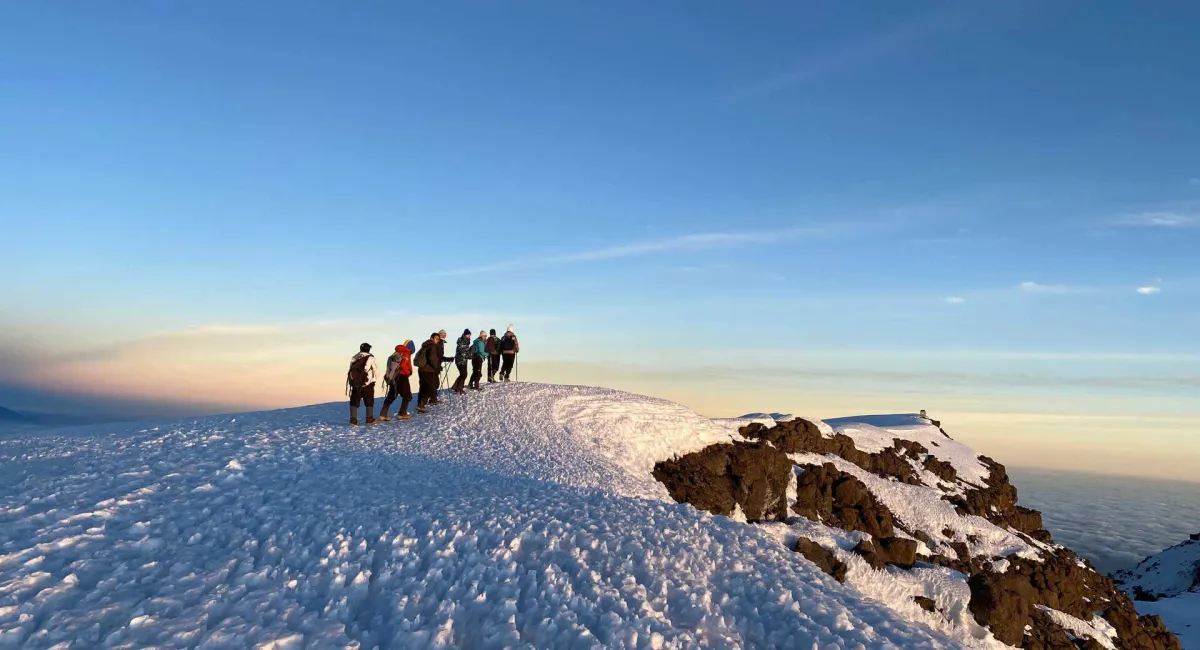 Kilimanjaro Success Rate
What decides your chance of the summit — and how to improve it. Read the guide
 Kilimanjaro Rescue and Travel Insurance
How rescue works on the mountain, and the insurance you need. Read the guide
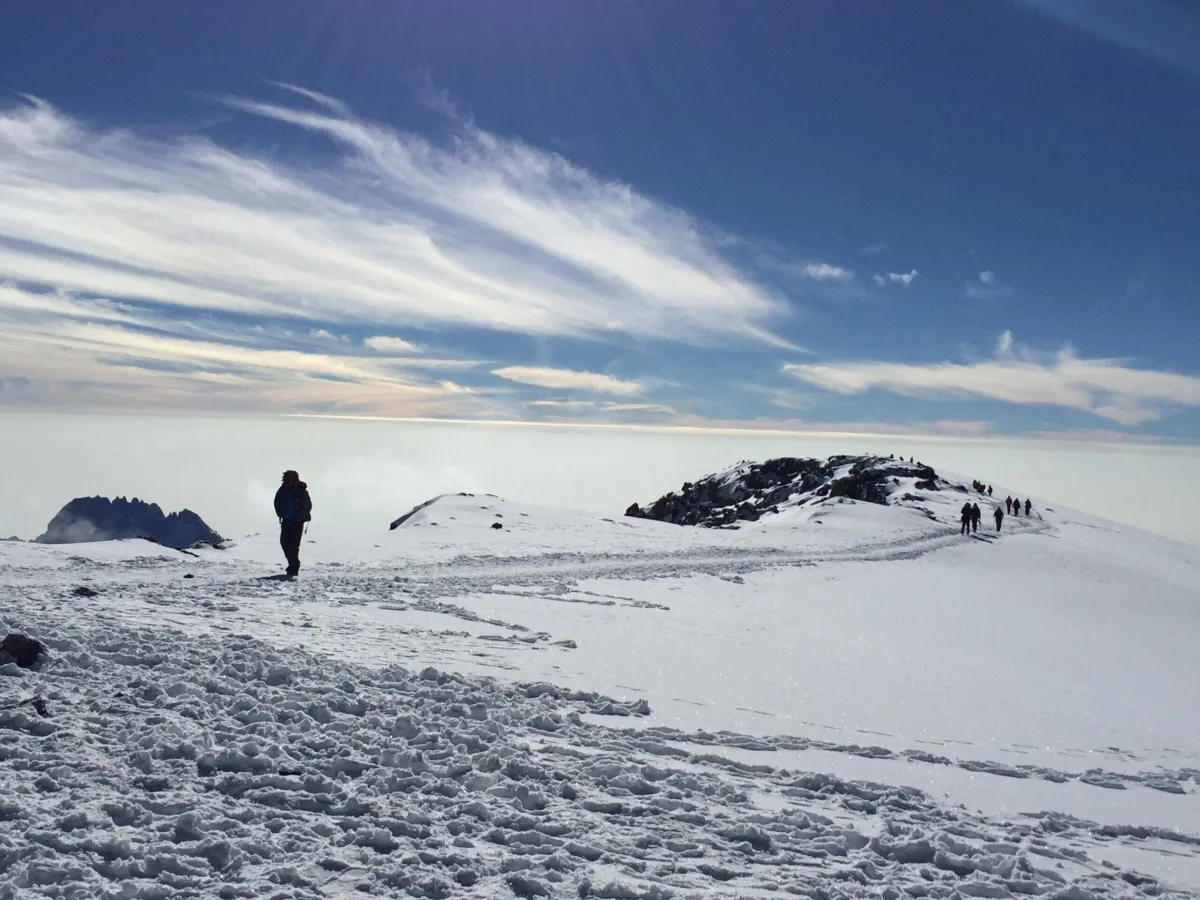 Climbing Kilimanjaro Solo
Private or group climbs, costs for one, and tips for solo trekkers. Read the guide
About the mountain
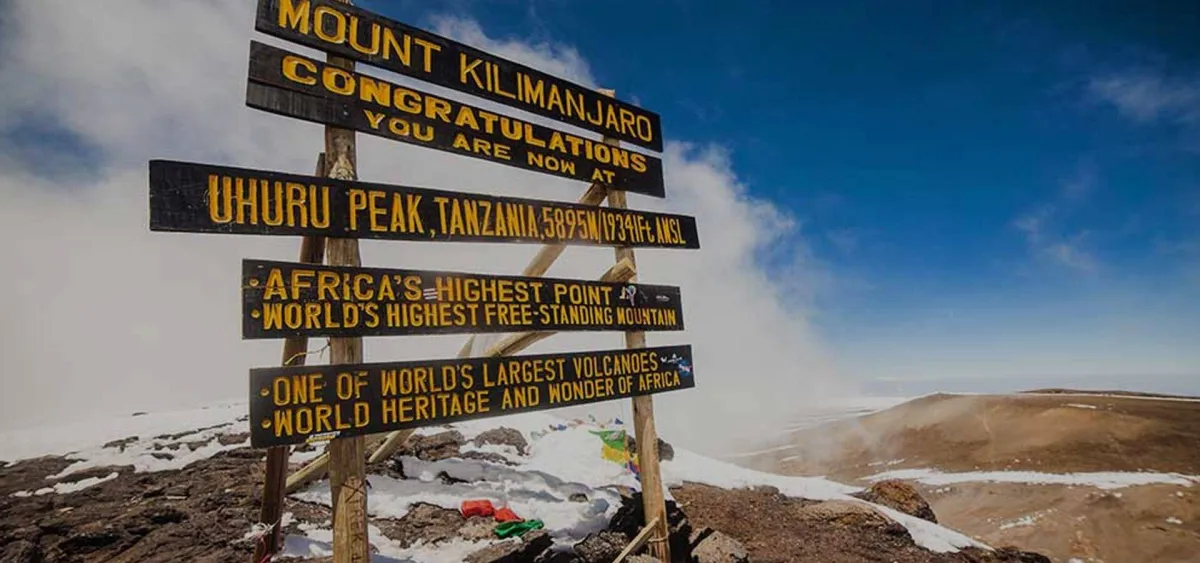 Kilimanjaro Height and Uhuru Peak
5,895 metres: Uhuru Peak, the crater rim and summit night. Read the guide
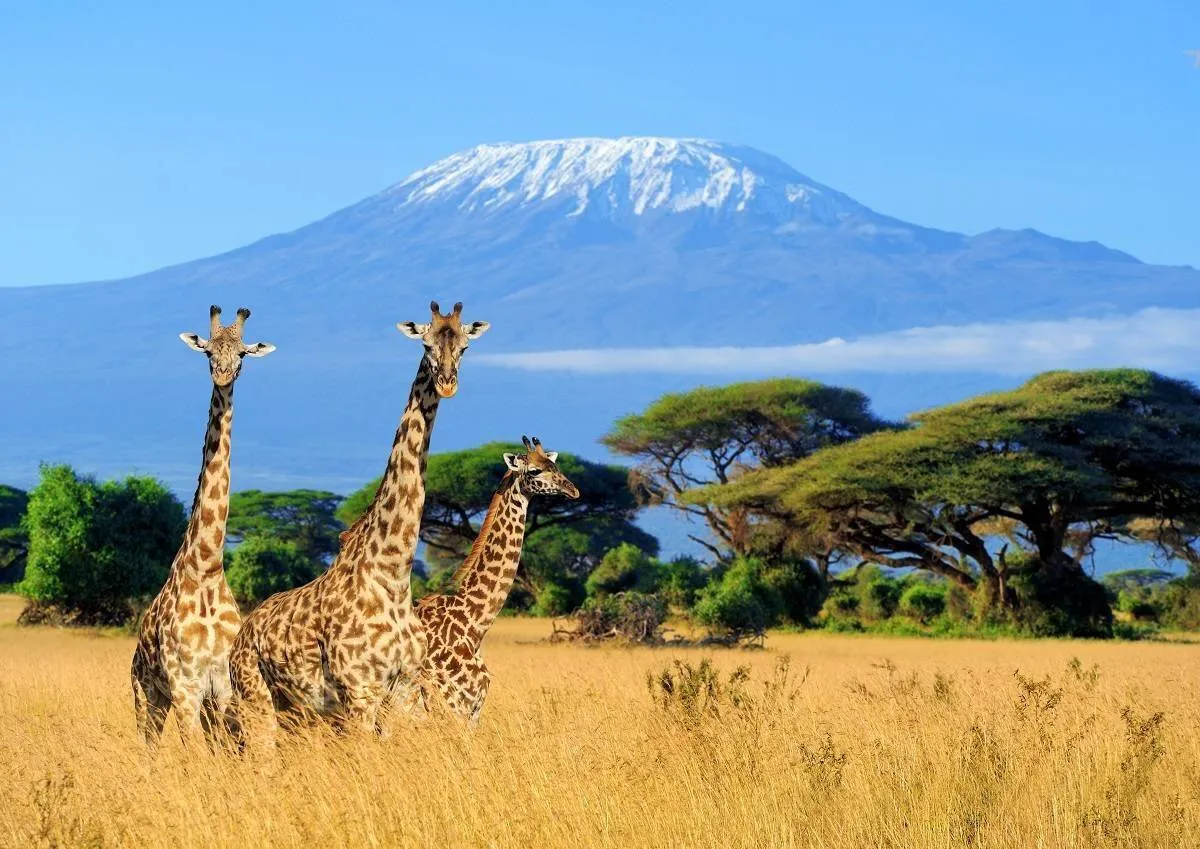 Where Is Kilimanjaro? Location and Map
Northern Tanzania, the national park, the gates and the nearest towns. Read the guide
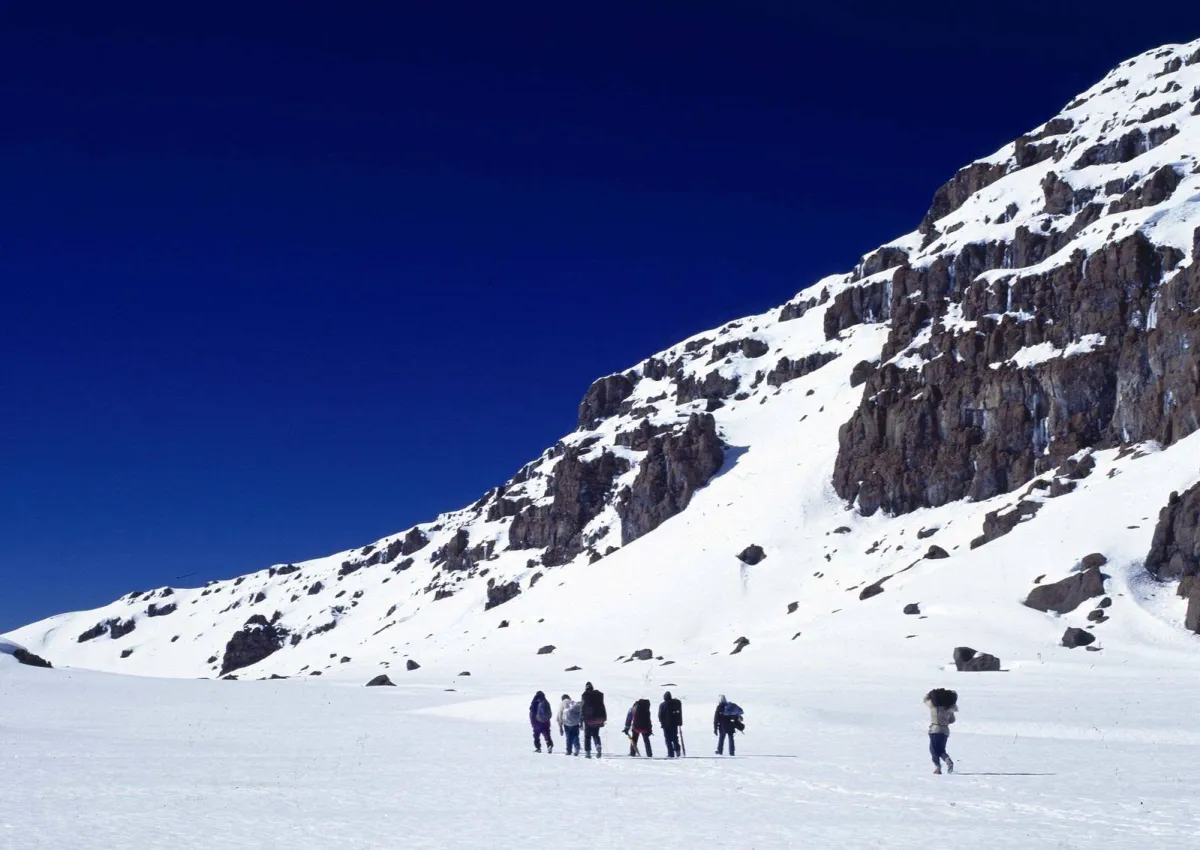 Kilimanjaro Glaciers
Ice on the equator — where to see it, and why it is shrinking. Read the guide
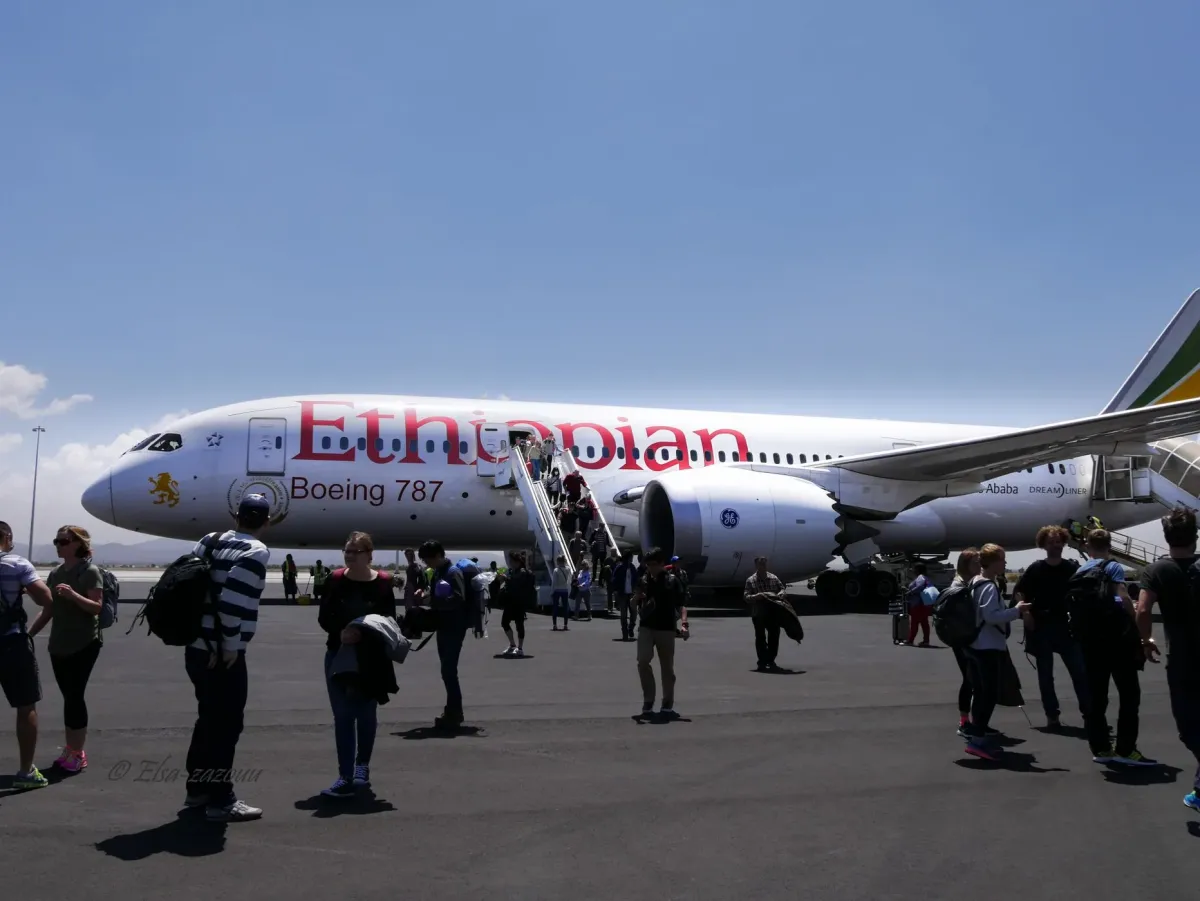 Kilimanjaro International Airport (JRO)
Where JRO is, how to get there, and arrival tips. Read the guide
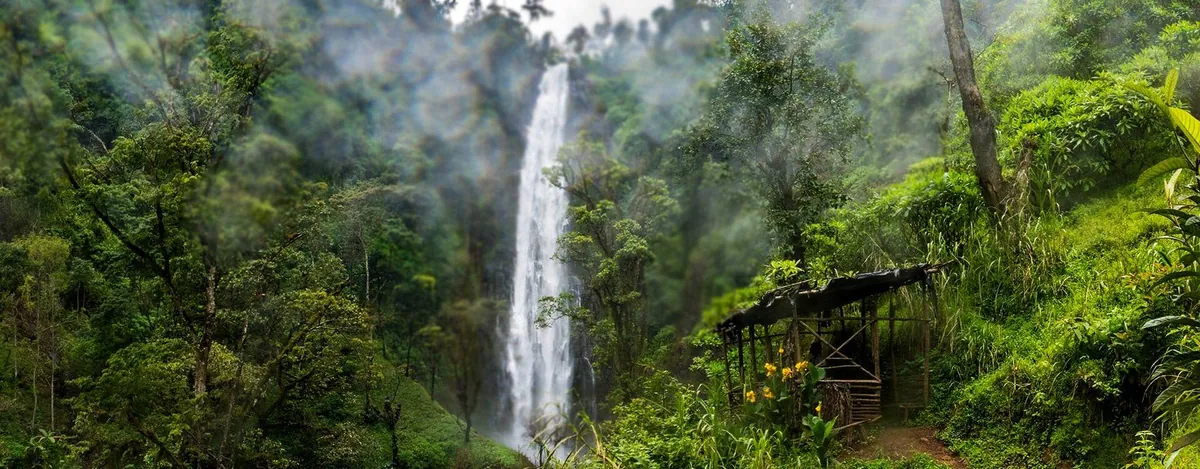 Things to Do Around Kilimanjaro
Waterfalls, coffee farms, hot springs and day hikes on the lower slopes. Read the guide
Kilimanjaro is a trek — a long, high one
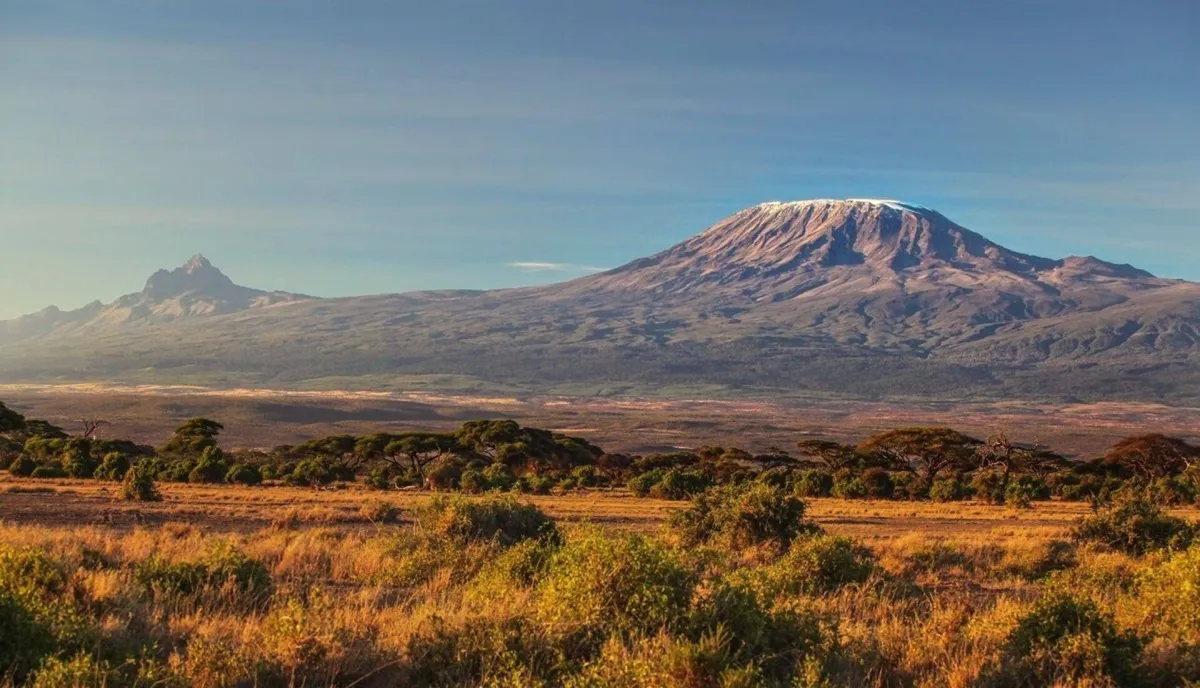
Whether you call it a climb, a trek or a hike, the standard routes up Kilimanjaro are walking routes. You do not need ropes, ice axes or mountaineering experience. What makes it hard is the altitude: the summit, Uhuru Peak, stands at 5,895 metres, where the air holds about half the oxygen it does at sea level. That is why the number of days, the route and the pace matter more than how fit you are.
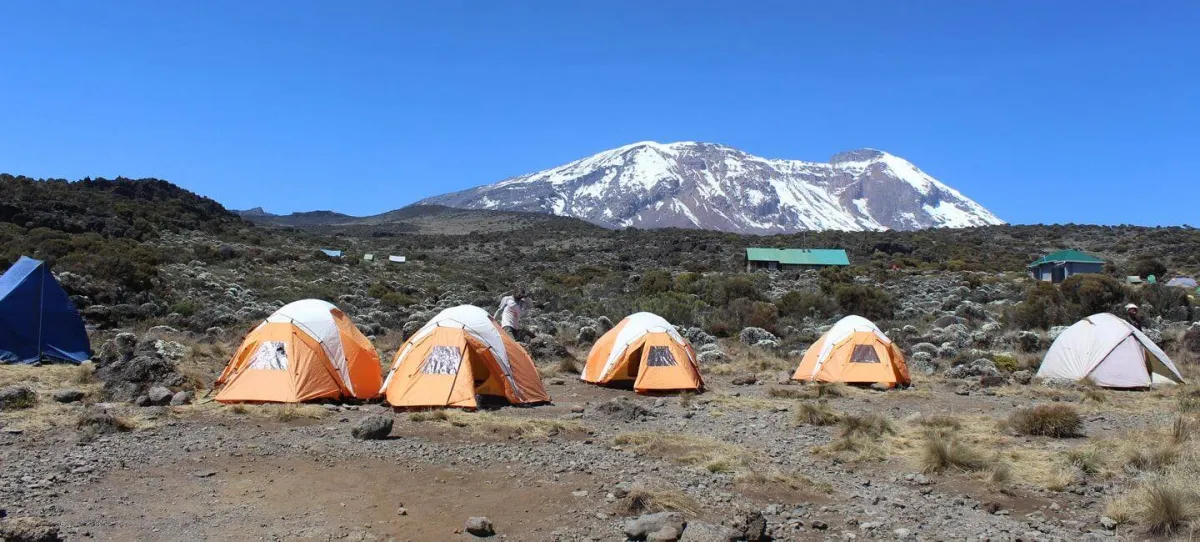
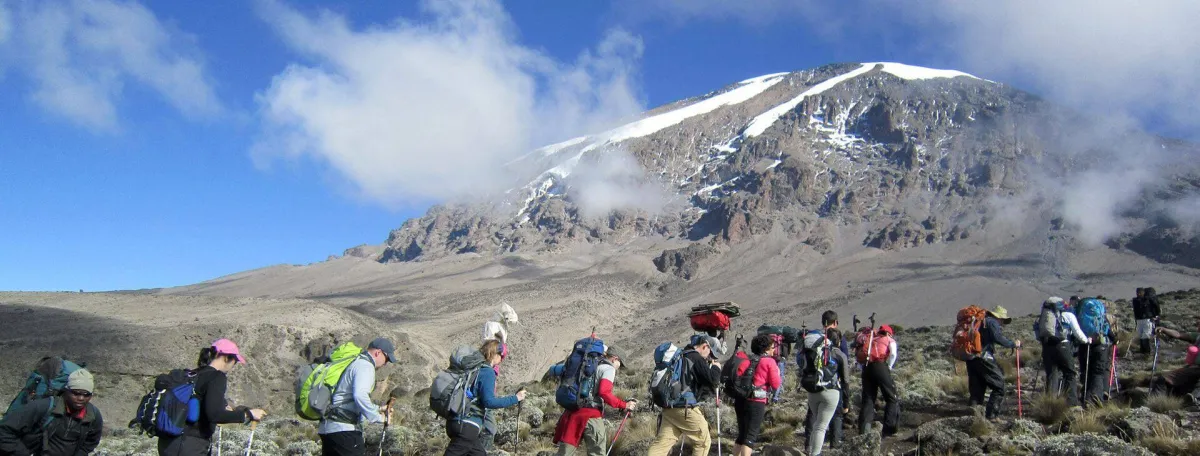
On a typical climb you walk five to eight hours a day through five climate zones — farmland, rainforest, heath and moorland, alpine desert and the icy summit — and sleep in tents (or huts on the Marangu route) set up by your crew. Summit night starts around midnight so that you reach the crater rim at sunrise.
We run climbs on the Machame, Lemosho, Marangu, Rongai and Umbwe routes — see all our Kilimanjaro treks, and combine your climb with a safari or a few days on Zanzibar.
Climbing Kilimanjaro: the big questions
How many days do I need to climb Kilimanjaro?
Between five and nine days on the mountain, plus an arrival day in Arusha or Moshi. We recommend at least six days, and seven or more if you can: extra days give your body time to adjust to the altitude and improve your chance of reaching the summit.
How far do you walk each day?
Usually 5–15 km a day, taking four to seven hours at a slow, steady pace. Summit day is the longest: about 6–8 hours up to Uhuru Peak in the dark and early morning, then several hours down to a lower camp.
Why does the summit climb start at midnight?
To reach the crater rim around sunrise, when the scree is still frozen and easier to walk on, the weather is usually clearest, and there is time to get back down to a lower, safer altitude the same day.
How much will I carry, and where can I leave extra luggage?
You carry only a daypack with water, snacks, layers, rain gear and a camera — usually 5–8 kg. Porters carry your main bag, tents and food. Things you do not need on the mountain can stay at your hotel in Arusha or Moshi until you come down.
Who comes with me on the climb?
A licensed mountain guide leads the climb, with assistant guides for larger groups, a cook and porters who carry the equipment, set up camp and prepare meals. A small group of climbers may have a crew of ten or more. Read about the crew.
Do I need climbing experience?
No. The standard routes need no technical skills. Good health, regular hiking practice before you come, the right gear and a slow pace matter far more.
Ready to climb? Talk to our team
Tell us your dates and plans — our team in Arusha will shape the trip around you.