
In short
- January – early March: dry and a little warmer, often clear; quieter than the main season.
- Mid-March – May: the long rains. Wet, muddy trails and few climbers; Rongai on the drier north side is the best choice.
- June – October: the main dry season — the most reliable weather and the busiest trails. Colder nights.
- November – December: the short rains; showers, fewer climbers, and good spells of clear weather.
The dry seasons: the most popular months
June to October is the main climbing season. Skies are usually clear, the trails are dry and the views from the upper slopes reach across the plains. Nights are cold, especially on summit night, so a warm sleeping bag matters. July, August and September are the busiest months, with full camps on the Machame and Marangu routes; book early.
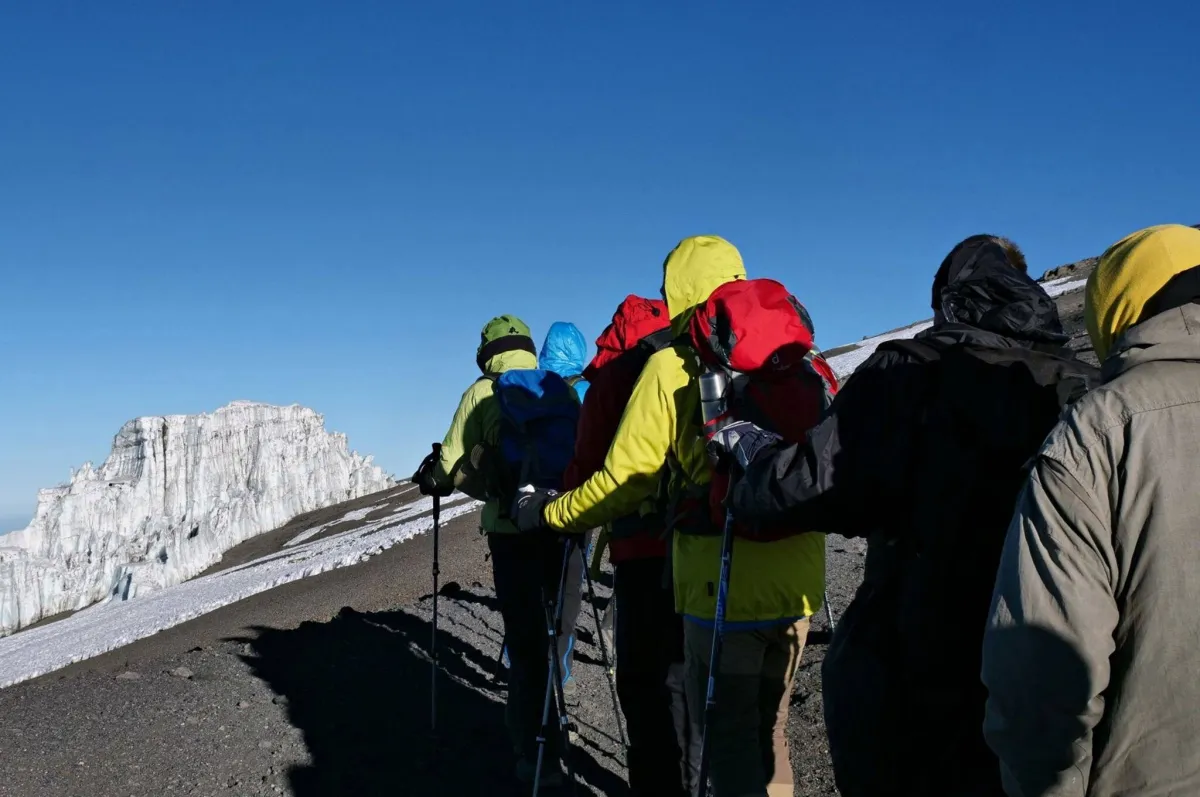
January to early March is the second dry window. Days are a little warmer, there can be more snow near the summit, and the trails are quieter than in the peak months. Many climbers think this is the best time of all.
The rainy seasons
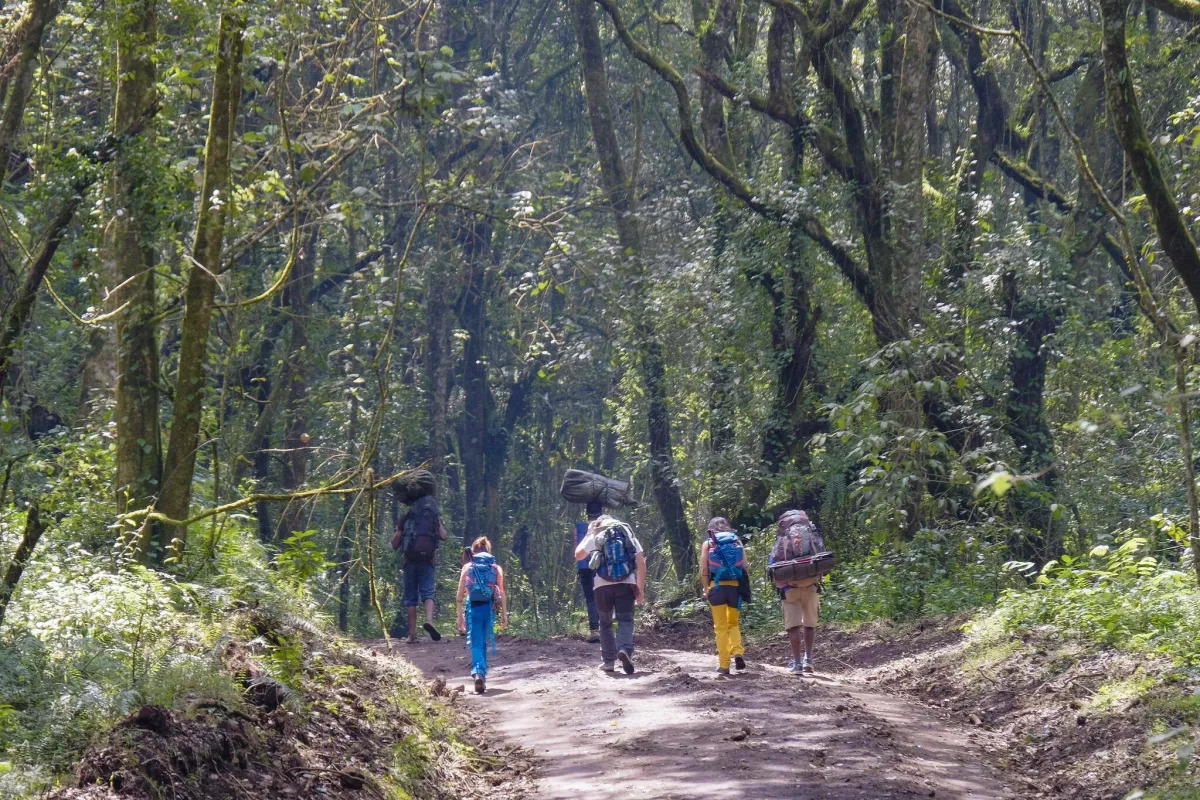
The long rains fall from about mid-March to May. The forest is very wet, paths turn muddy and cloud often hides the views; higher up, rain can fall as snow. Some climbers like the empty trails, but it is harder going. If you climb now, choose the Rongai route, which is on the drier northern side.
The short rains, in November and early December, are lighter and less predictable — often afternoon showers with clear mornings. It can be a good time for a quieter climb if you are ready for some rain.
Climbing at full moon
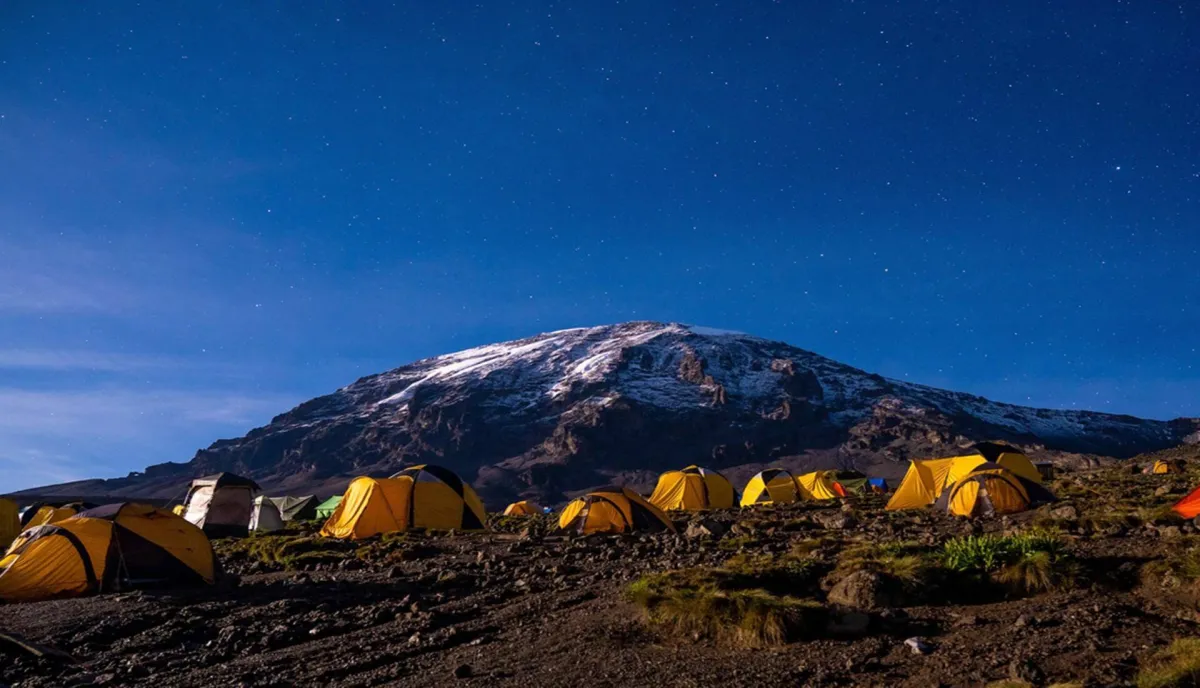
Many climbers time their summit night for the full moon, when the mountain is lit and you may not need a head torch. It is beautiful — and popular, so routes are busier those nights. A new moon gives an extraordinary starry sky instead.
Combining with a safari or Zanzibar
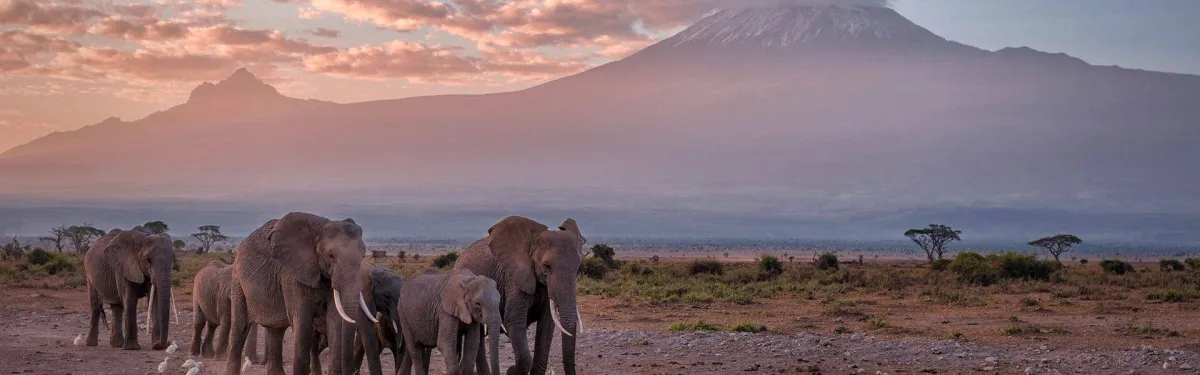
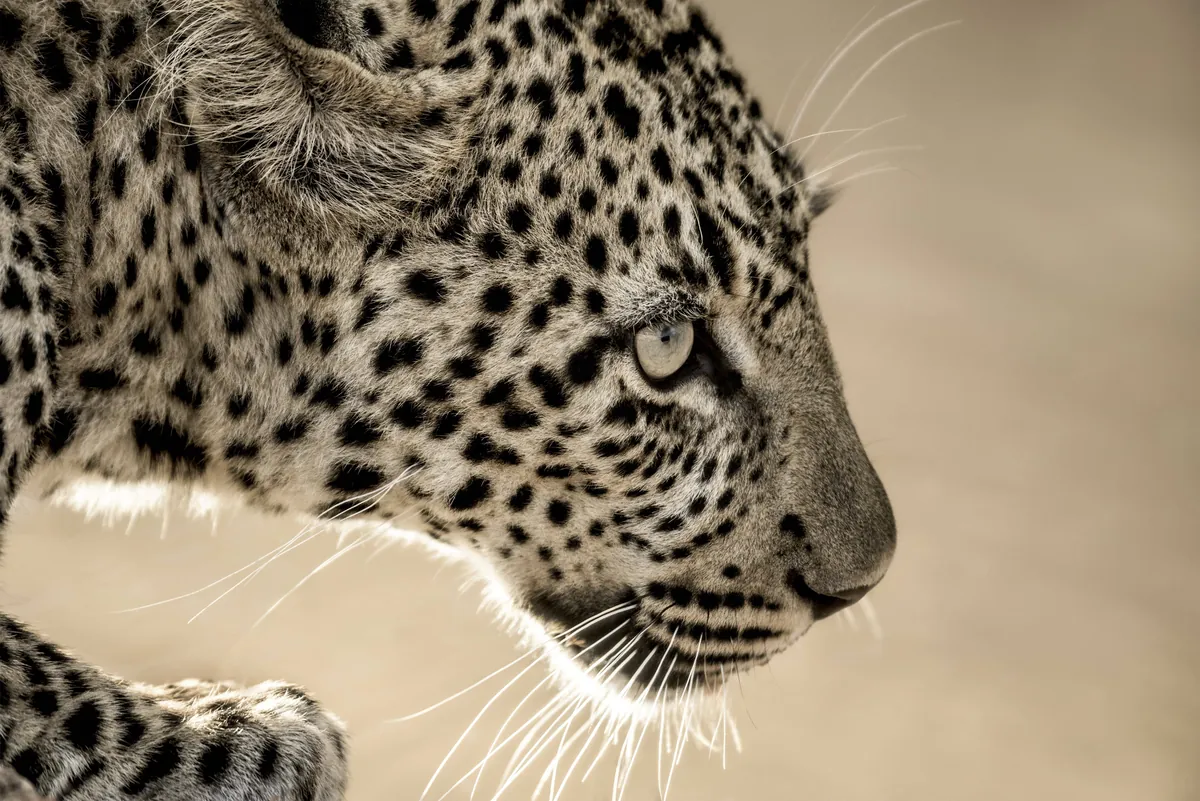
The dry seasons on Kilimanjaro line up with good safari months: June to October for the dry-season game viewing, and January–February for the calving season in the Serengeti. See the best time to visit Tanzania and add a safari or Zanzibar after your climb.
More on the conditions you will meet in Kilimanjaro weather and temperatures.