In short
- June – October: dry season, easiest game viewing, Mara River crossings in the northern Serengeti. Highest demand and rates.
- January – February: calving season in the southern Serengeti and Ndutu — newborn wildebeest and busy predators.
- March – May: green season. Lush, quiet and the best rates; April and May bring the long rains.
- November – December: short rains, green landscapes and fewer vehicles.
The dry season: June to October
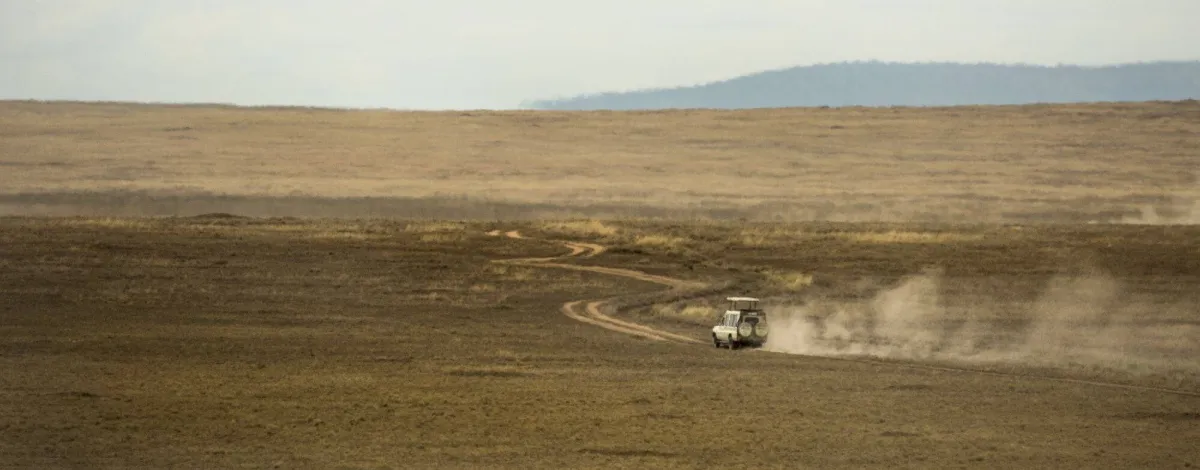
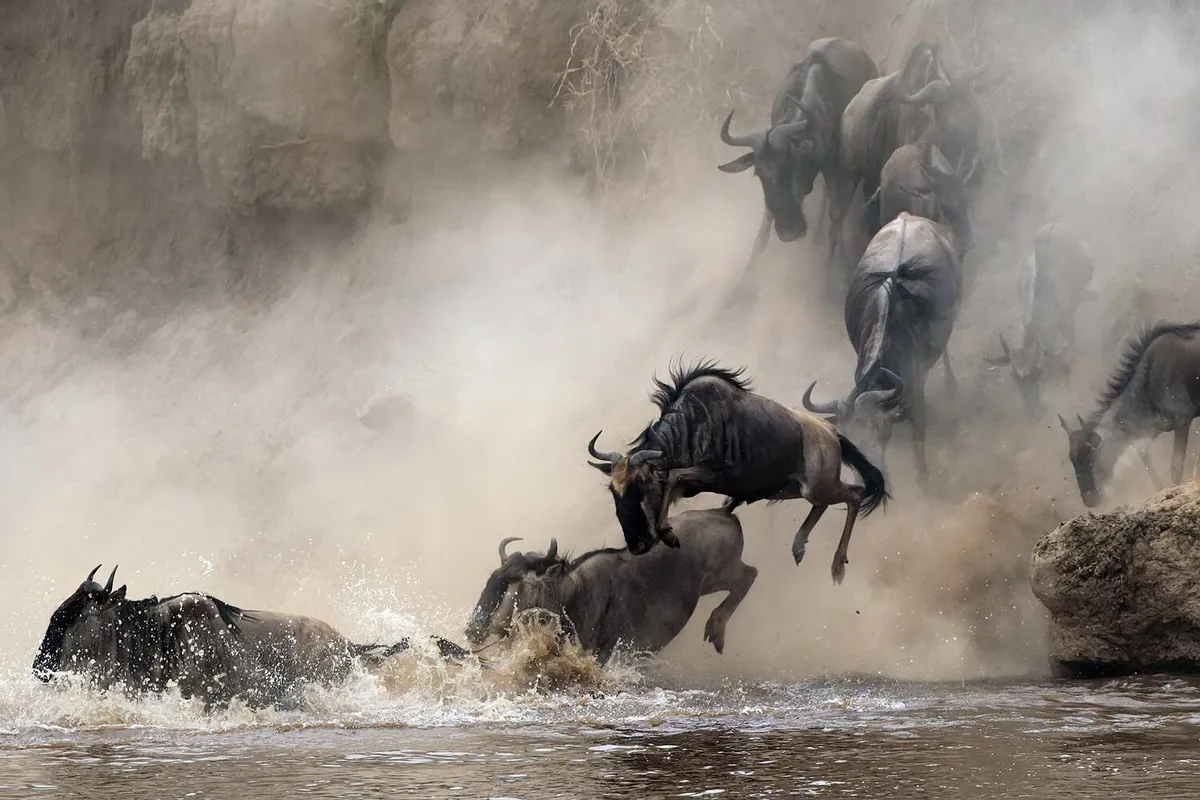
This is Tanzania's peak safari season. Rain is rare, the grass is short and animals gather around rivers and waterholes, so they are easier to find. In Tarangire the elephant herds crowd along the Tarangire River, and in the northern Serengeti the Great Migration reaches the Mara River, where the famous crossings happen.
The trade-off is demand: lodges and camps fill early and rates are at their highest. If these months suit you, book four to six months ahead. Mornings and evenings are cool — on the rim of the Ngorongoro Crater they can be cold — so pack a warm layer.
Calving season: January and February
Between the short and long rains, the wildebeest herds settle on the short-grass plains of the southern Serengeti and the Ndutu area. Hundreds of thousands of calves are born in a few weeks, and lions, cheetahs and hyenas follow. It is one of the most dramatic times to be in the Serengeti, and it is warmer and quieter than the dry season. See our Tanzania safaris for calving-season trips.
The green season: March to May
The landscape turns green, migrant birds arrive and there are far fewer vehicles. April and May bring the long rains — usually heavy afternoon showers rather than all-day rain, so game drives carry on. Some camps close for these weeks, but many lodges offer their best rates of the year. For travellers who want a quieter, better-value safari, this is a fine time to go.
The short rains: November and December
Short, often light showers return in November and the plains turn green again. The migration moves back south towards the Serengeti's short-grass plains. Game viewing stays good, crowds thin out until the Christmas holidays, and rates are lower than in the peak months.
Where is the Great Migration each month?
The herds follow the rain and fresh grass in a loop through the Serengeti and Kenya's Maasai Mara. Their timing shifts a little every year with the rain, so treat this as a guide rather than a timetable.
| Months | Where the herds usually are |
|---|---|
| December – March | Southern Serengeti and Ndutu; calving in late January and February |
| April – May | Moving north-west through the central Serengeti in the long rains |
| June – July | Western corridor and the Grumeti River crossings |
| July – October | Northern Serengeti, crossing the Mara River |
| November | Heading south again through the eastern and central Serengeti |
Read more in our Great Migration guide.
Parks that are good all year
The Ngorongoro Crater has water and grazing all year, so its animals stay put. Lake Manyara and Arusha National Park are good year-round, and Tarangire is at its best in the dry months. A good itinerary matches the parks to the month — that is what we do when we plan your trip.
Kilimanjaro and Zanzibar
The driest and most popular months to climb Kilimanjaro are January to early March and June to October. On Zanzibar the best beach weather runs from June to October and from December to February; April and May are the wettest months on the coast.