
What does "success" mean?
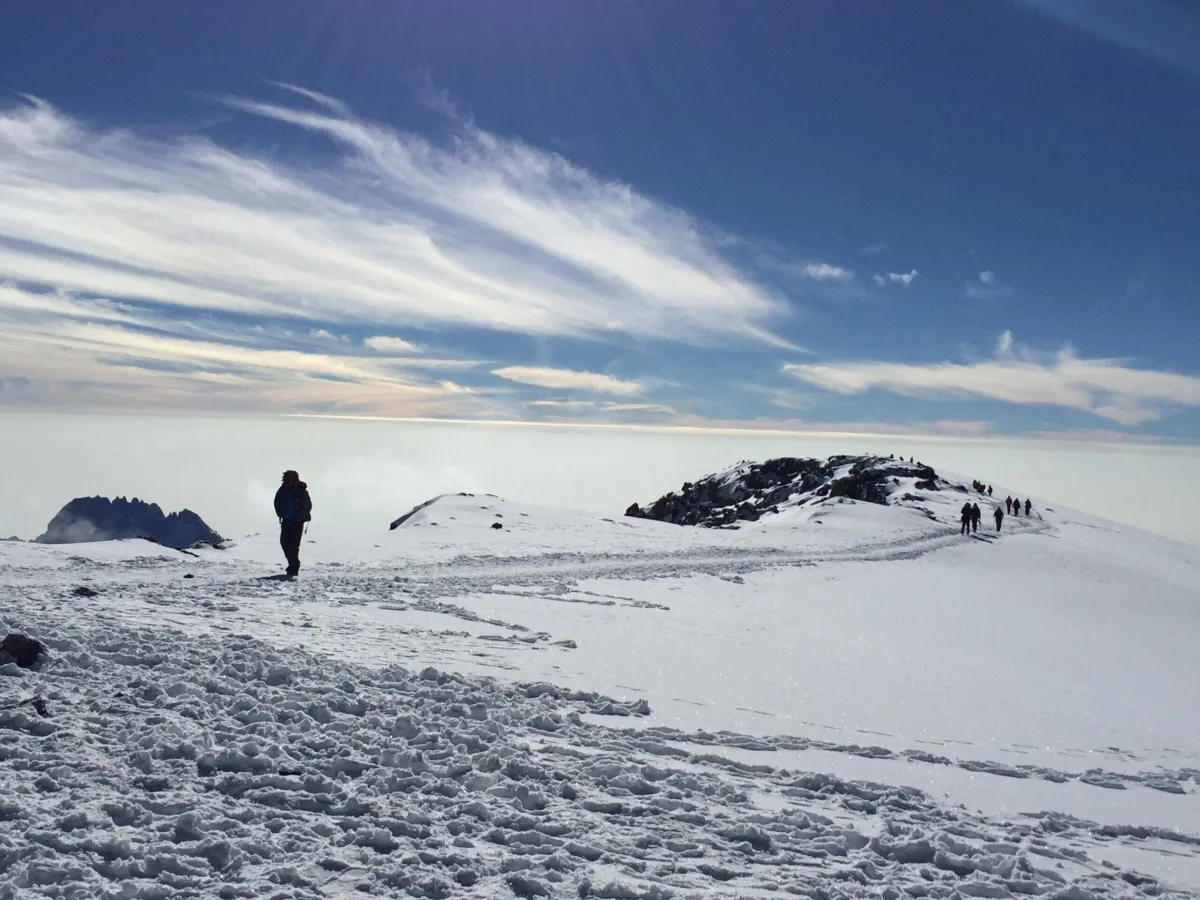
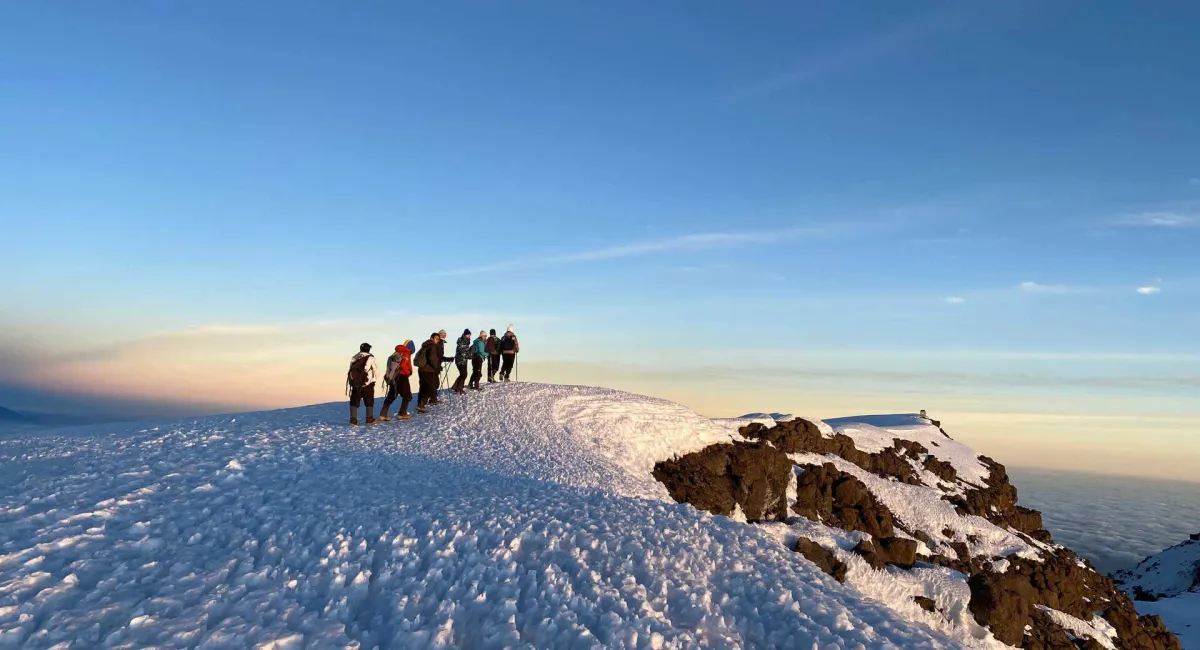
Most climbers aim for Uhuru Peak, the true summit at 5,895 metres. Some reach the crater rim at Stella Point (about 5,756 m) or Gilman's Point (about 5,685 m) — both count as reaching the top and earn a certificate, but are not the highest point. When you read a success rate, ask which point it counts.
A note on success-rate figures
There are no official, published summit statistics by operator or route. Figures quoted online are estimates and are often not comparable. What is clear — and agreed by guides and doctors — is that climbers on longer itineraries reach the summit far more often than those who rush. So rather than chase a number, look at what actually improves your odds.
What improves your chances
More days
The most important factor. A 5-day climb gives your body very little time to adapt; 7 or 8 days make a dramatic difference. Adding just one acclimatisation day to a short itinerary is the best value upgrade you can buy.
The right route
Routes with a "climb high, sleep low" profile and a gradual ascent — such as Lemosho, a 7-day Machame or the Northern Circuit — give better acclimatisation. See routes compared.
A slow pace
"Pole pole" — slowly, slowly. Climbers who rush the early days often struggle later. Your guide sets a pace that feels too slow at first; trust it.
Experienced guides
Guides who know the signs of altitude sickness, manage the pace and keep you eating and drinking make a real difference — and know when it is safer to turn back.
Your preparation
Hiking practice, broken-in boots, warm gear for summit night and a sensible approach to food and water. See training and the gear list.
Season
The dry months bring easier trails and more stable weather — see the best time to climb.
Why people turn back
The most common reason is altitude sickness, followed by exhaustion and cold on summit night. Turning back is sometimes the right — and brave — decision. Read about altitude sickness.