

Why combine them?
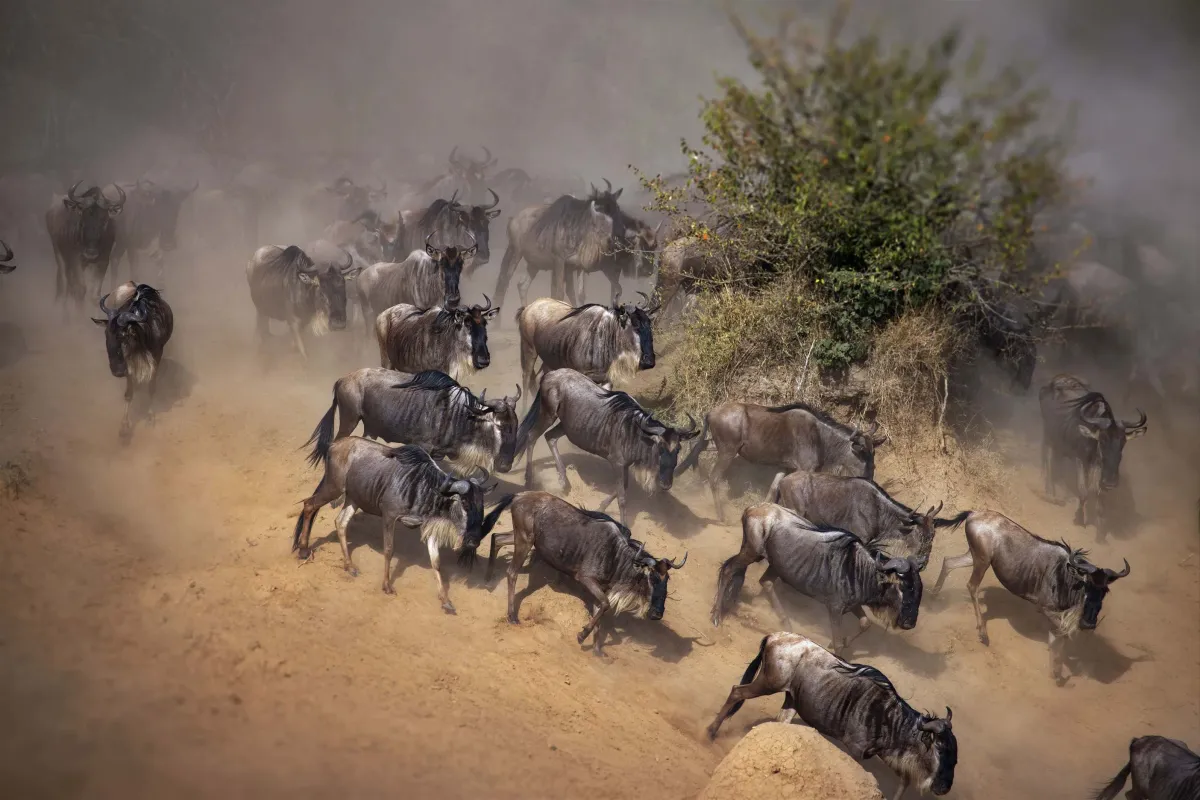
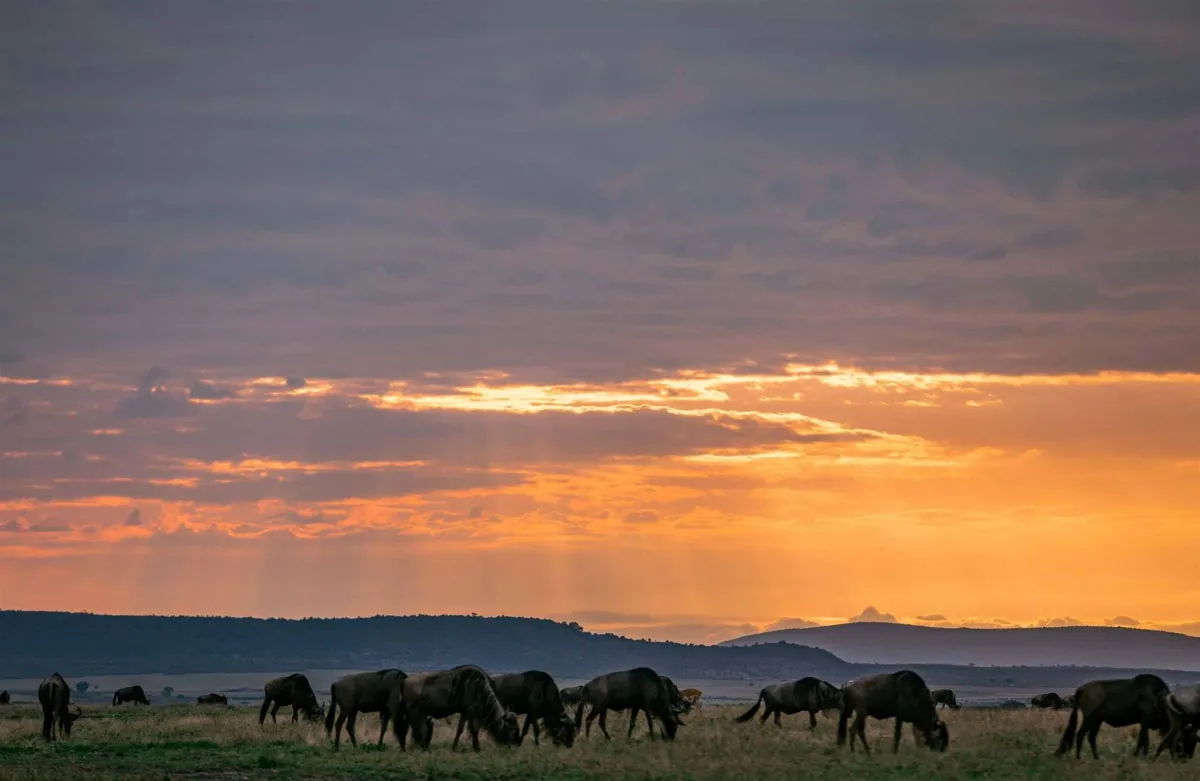
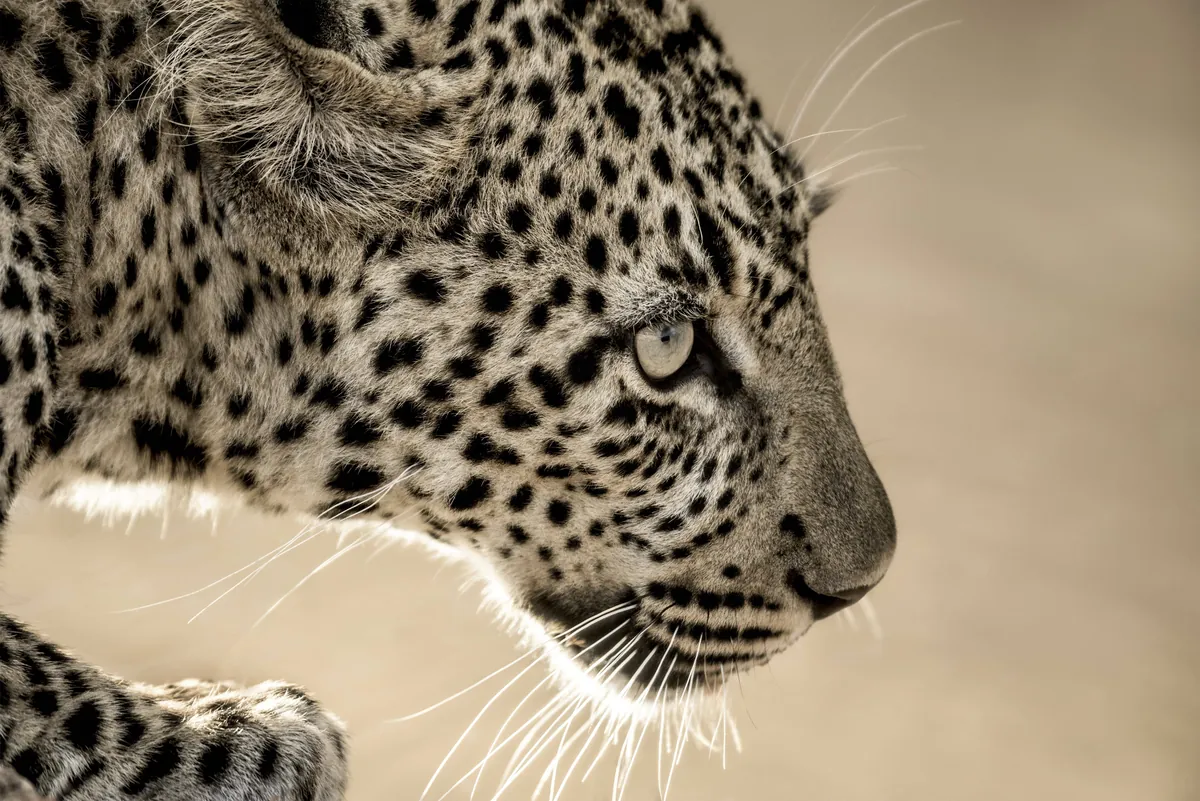
Kenya and Tanzania share the same great ecosystem: the Maasai Mara is the northern tip of the Serengeti, and the Great Migration moves between the two. Combining them lets you follow the herds, see Kilimanjaro from both sides and enjoy very different parks — the Mara's big cats and Kenya's Rift Valley lakes, Tanzania's Ngorongoro Crater and Tarangire. Our post Tanzania vs Kenya compares them.
Our two-country safari
Our 10-Day Kenya and Tanzania Great Migration safari (from $4,320 per person) starts in Nairobi, spends three nights in the Maasai Mara, crosses to the northern Serengeti for the Mara River, then continues to the central Serengeti, the Ngorongoro Crater and Tarangire. We can also tailor a combination to your dates.
Crossing the border
- By road via Namanga: the main crossing between Nairobi or Amboseli and Arusha; the drive from Nairobi to Arusha takes about five to six hours.
- By air: regional flights link Nairobi with Kilimanjaro and Arusha, and some itineraries fly between the parks.
- There is no open tourist crossing directly between the Maasai Mara and the Serengeti, so even though the parks touch, you travel round by road or air.
Visas and entry
- A Kenya eTA — see the eTA guide.
- A Tanzania visa — see the Tanzania visa guide. If you go back into Kenya to fly home, check the re-entry rules for both countries.
- Yellow fever: Tanzania asks for a certificate from travellers coming from Kenya, a yellow fever risk country. Get vaccinated at least 10 days before you travel. See Kenya travel requirements.
How many days?
- 8–10 days: the Maasai Mara plus the northern Tanzanian parks.
- 12–14 days: add Amboseli or the Rift Valley lakes in Kenya, or more time in the Serengeti.
- Plus the beach: finish on Zanzibar or the Kenyan coast.
When to go
July to October is ideal for the migration in both countries — in the Mara and the northern Serengeti. See the best time to visit Kenya and the best time to visit Tanzania.