
In short
- June – September: the main dry season — easiest trails for gorillas and chimps, good game viewing. Busiest time.
- December – February: a shorter dry season; warm, good for trekking and safari.
- March – May and October – November: the rainy seasons; lush, quiet and muddy trails.
The dry seasons
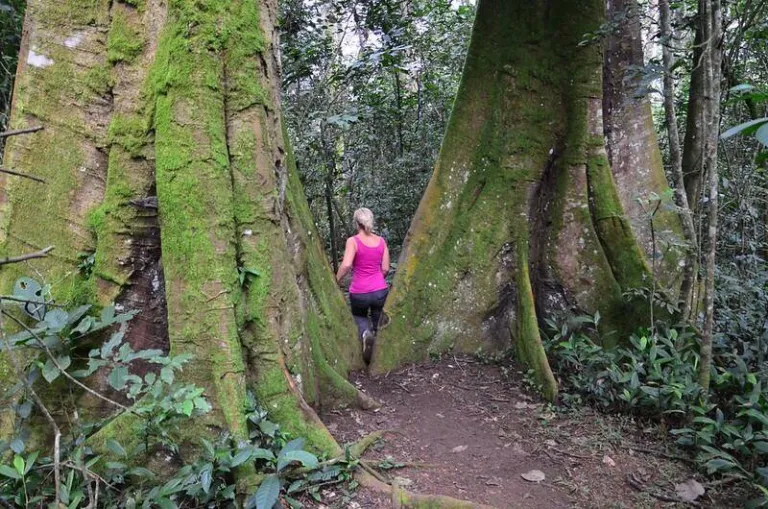
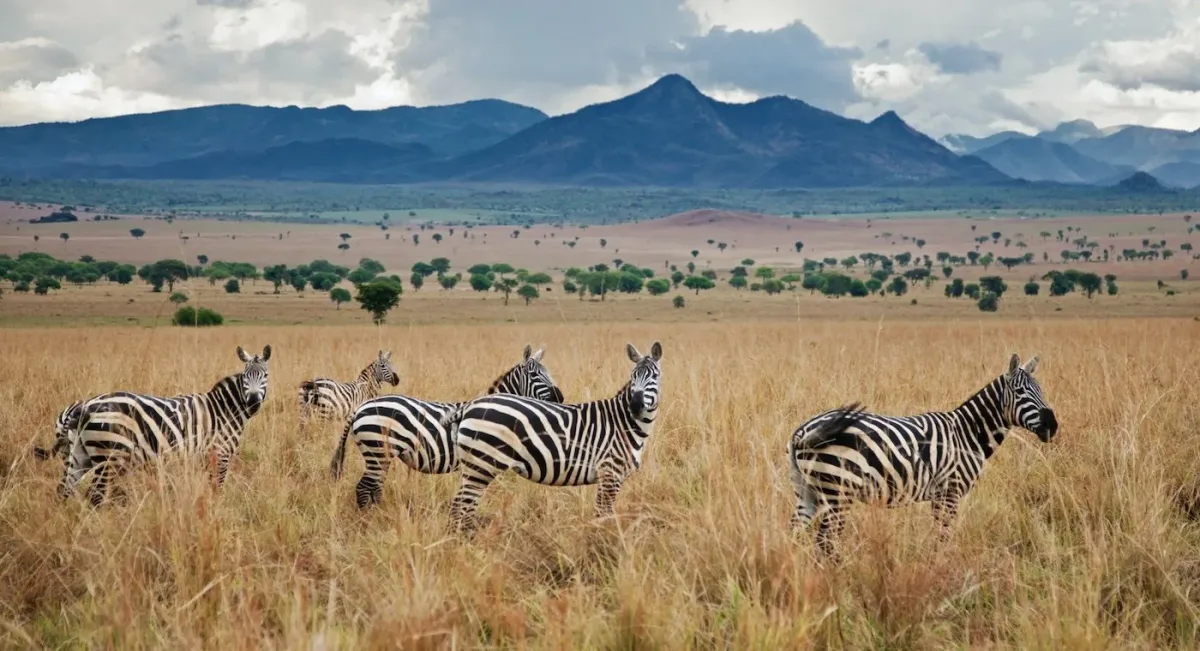
Uganda sits on the equator, so temperatures stay pleasant all year — warm by day, cooler in the highlands at night. The main difference between seasons is rain. In the dry months, June to September and December to February, the forest trails in Bwindi and Kibale are firmer and less slippery, and on the savannah in Queen Elizabeth, Murchison Falls and Kidepo the animals gather near water. Gorilla permits are in highest demand in these months, so book early.
The rainy seasons
The long rains usually fall from March to May, and shorter rains in October and November. Showers are often heavy but short, with sunshine in between. Trekking is still possible — the gorillas don't go anywhere — but expect mud, steep slippery slopes and wet gear. The landscape is at its greenest and there are fewer visitors.
Gorillas and chimpanzees
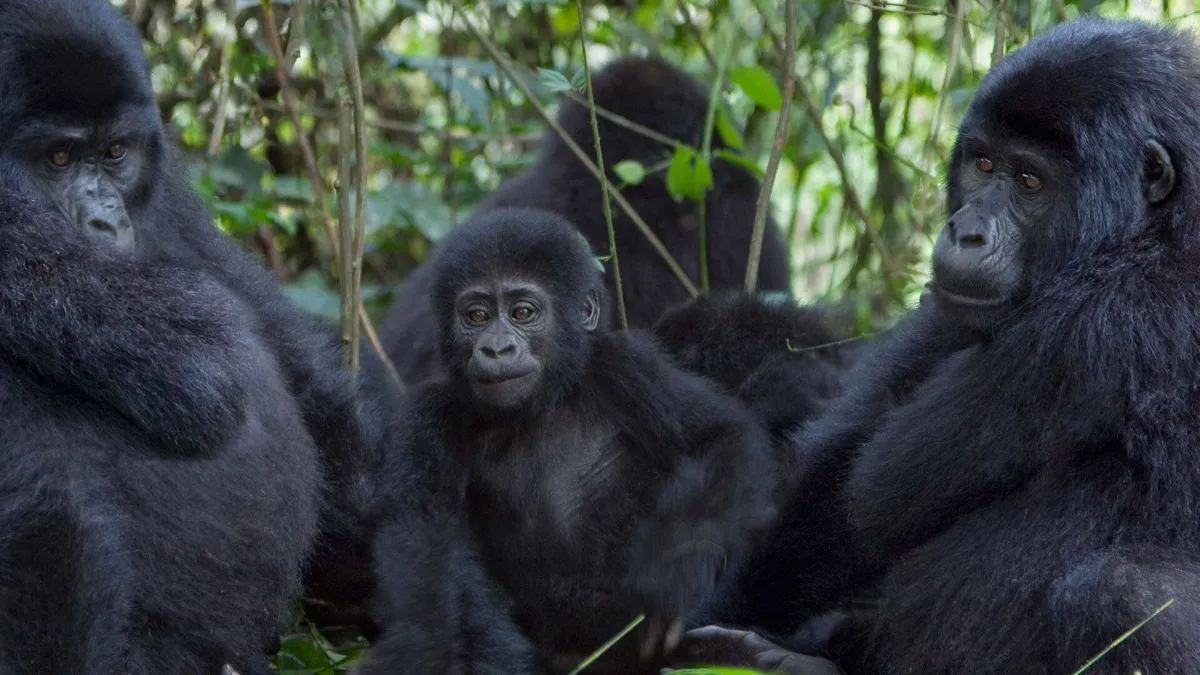
You can track gorillas and chimpanzees all year. Good boots, gaiters and a rain jacket matter more than the month. See gorilla trekking and chimpanzee trekking.
Birdwatching
Uganda is one of Africa's top birding countries. Migrant birds are present from about November to April, and many species breed in the rainy months — a great time for birders who don't mind a shower.
Combining with Kenya or Tanzania
Uganda's dry seasons line up well with East Africa's safari seasons — see Kenya and Tanzania.