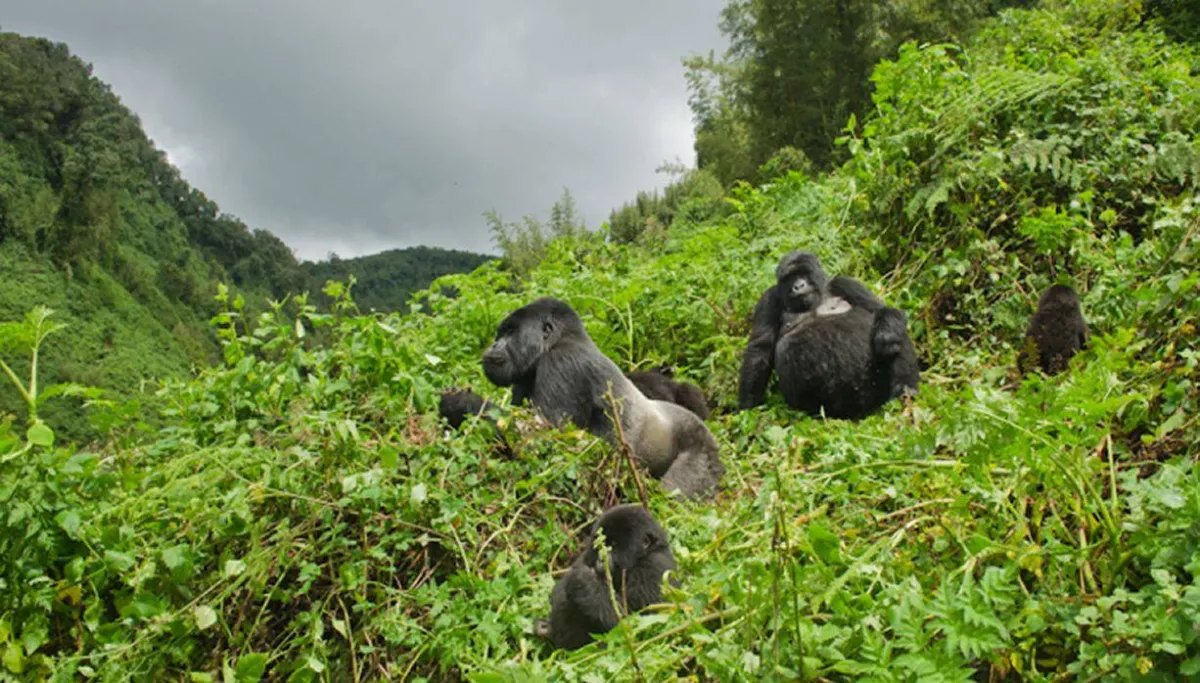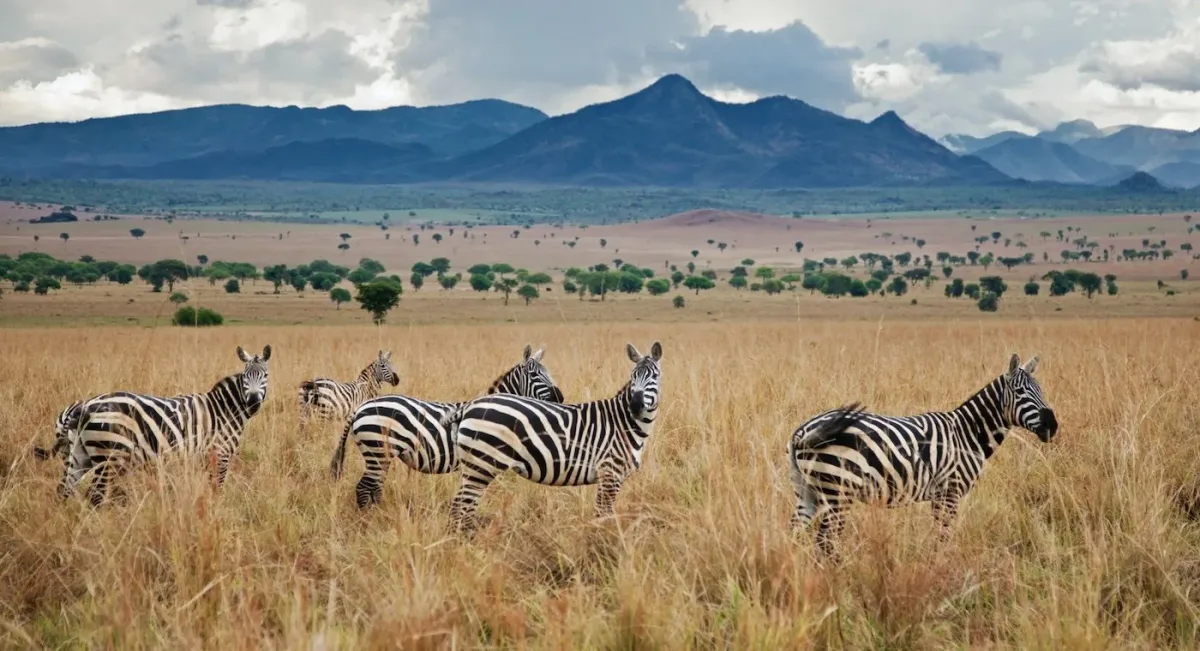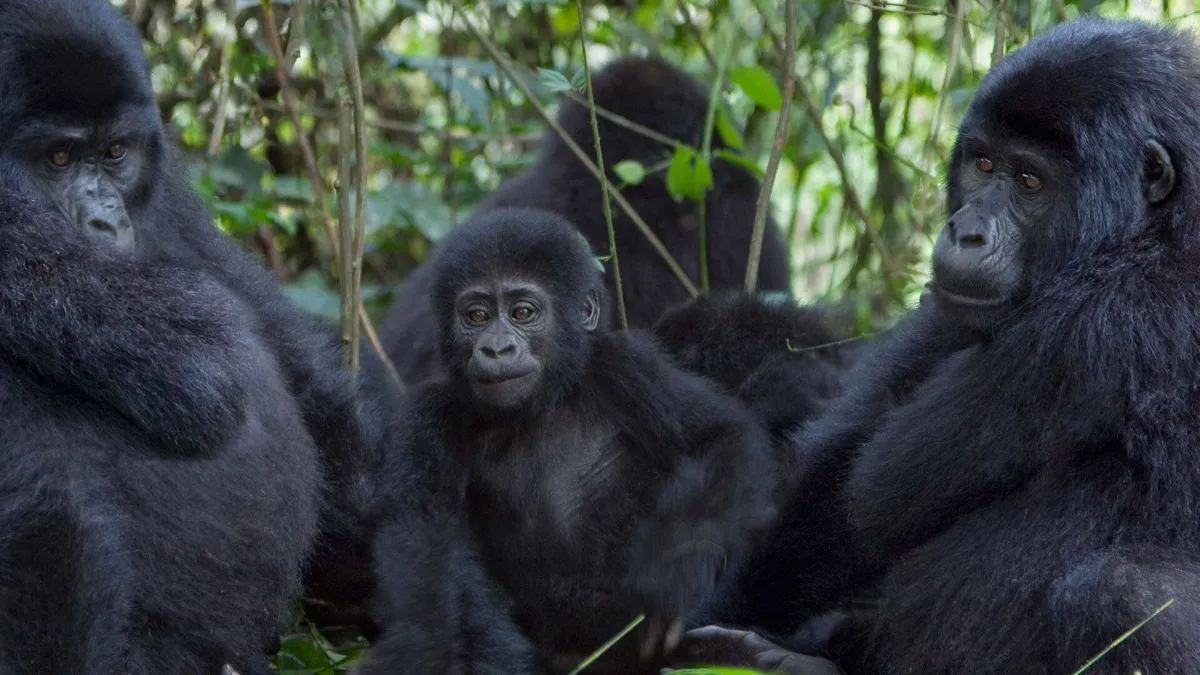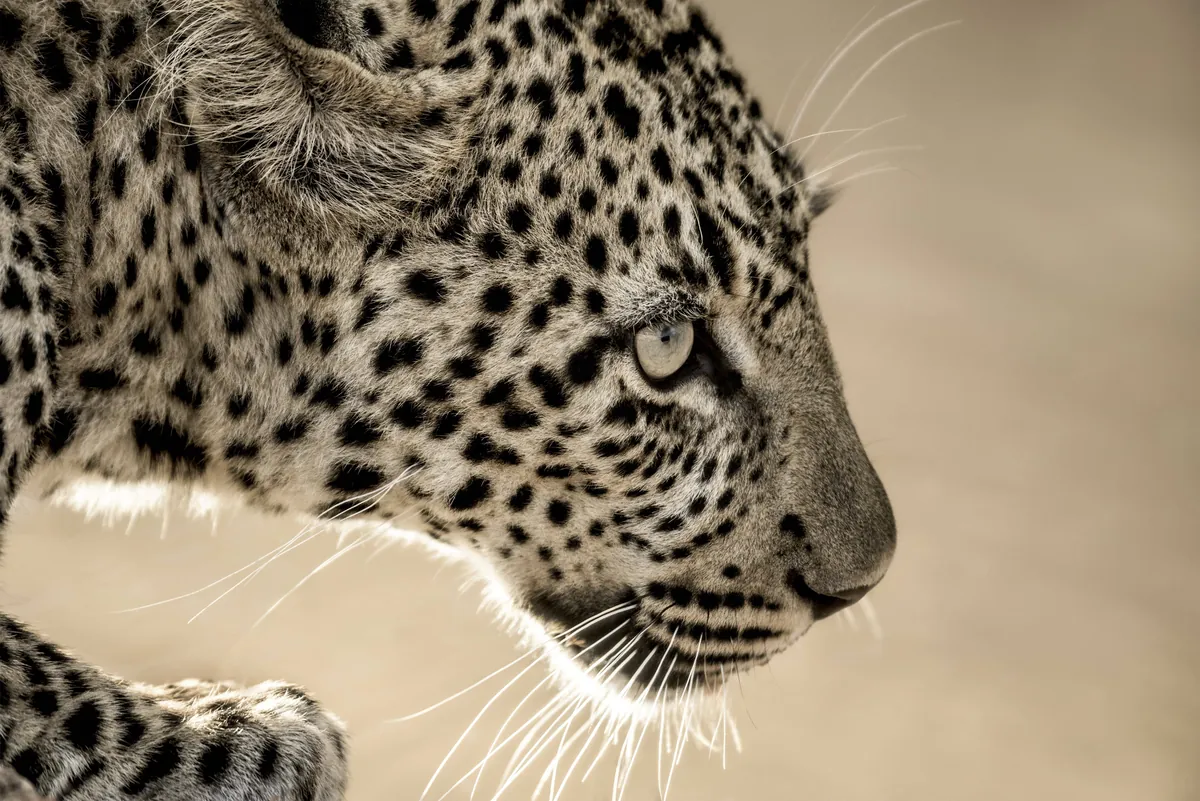

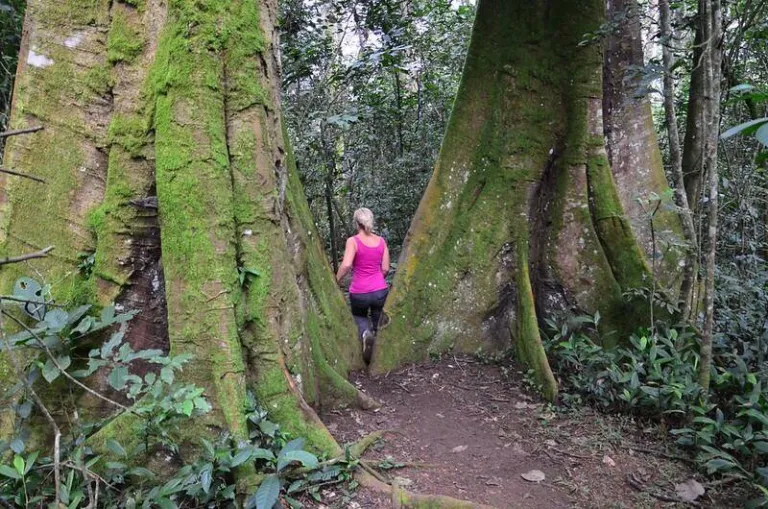
For gorilla and chimpanzee trekking
- Waterproof hiking boots with good grip and ankle support, well broken in
- Gaiters — to keep mud, water and ants out of your boots
- Gardening gloves — for grabbing branches and nettles on steep slopes
- Long trousers and long sleeves in tough fabric, against nettles, thorns and insects
- A waterproof jacket — it can rain in the forest at any time of year
- A small waterproof daypack with 1.5–2 litres of water and snacks
- A walking stick — usually provided at the trailhead
- Insect repellent
- A face mask — you may be asked to wear one near the gorillas to protect them from human illness
Choose neutral, dull colours in the forest — green, khaki, brown. Avoid bright colours and strong perfume.
For safari
- Light shirts, trousers and shorts in neutral colours
- A fleece or warm jacket — mornings and evenings are cool, especially in the highlands around Bwindi
- A sun hat, sunglasses and high-factor sunscreen
- Comfortable shoes and sandals for the lodge
- Swimwear for lodge pools and Lake Bunyonyi
Gear
- Binoculars — essential for birds and primates in the canopy
- Camera with a zoom lens and spare batteries; no flash near gorillas or chimps
- A rain cover or dry bag for your camera
- Universal adapter (Uganda uses type G sockets, 240 V) and a power bank
- A head torch
Health and documents
- Yellow fever certificate, passport and e-visa approval — see visa and entry
- Antimalarial tablets and personal medicines
- A small first-aid kit, blister plasters and hand sanitiser
- Travel insurance details
- Cash in small notes (US dollars printed after 2009, and Uganda shillings) for porters and tips
Luggage
A soft bag is easiest for long road journeys and essential on domestic light-aircraft flights, which have strict weight limits.