
At a glance
- Currency: Tanzanian shilling (TZS); US dollars widely used for tourism
- Time zone: East Africa Time, UTC+3, no daylight saving
- Electricity: 230 V, type D and G sockets
- Languages: Swahili and English
- Main airports: Kilimanjaro (JRO), Arusha (ARK), Dar es Salaam (DAR), Zanzibar (ZNZ)
- Driving: on the left
Money
The local currency is the Tanzanian shilling. For a safari, US dollars are the most useful extra currency — for tips, drinks and activities. Bring clean, untorn notes printed after 2009; older and damaged notes are often refused. Small notes are handy for tips.
Visa and Mastercard are accepted at most lodges and larger hotels, often with a card fee; American Express is less common. ATMs in Arusha, Moshi, Dar es Salaam and Stone Town give shillings. In the parks you will not find ATMs, so take what you need before you set off. Tell your bank you are travelling.
Phones and internet
Local SIM cards from the main networks are cheap and give good coverage in towns and along main roads; bring your passport to register one. Coverage in the parks is patchy. Many lodges and camps offer Wi-Fi, but often only in the main area and sometimes slow — enjoy being offline.
Plugs and charging
Tanzania uses 230 V with type D (three round pins) and type G (three square pins, as in the UK) sockets. Bring a universal adapter and a power bank. Some tented camps run on solar power with charging in the main area only; leave hair dryers at home.
Getting there and around
For the northern safari parks, fly into Kilimanjaro International Airport (JRO), about an hour from Arusha. Regional and safari flights use Arusha Airport (ARK). For the south, fly into Dar es Salaam; for the islands, Zanzibar. Light aircraft link the airports with airstrips in the Serengeti and other parks — with strict luggage limits (see the packing list).
Arrive a day before your safari starts to rest after the flight and allow for delays.
What to wear
On safari: light, neutral-coloured clothes and a warm layer for early mornings. In towns, villages and especially on Zanzibar, dress modestly — shoulders and knees covered. Beachwear is for the beach and the pool.
Photography etiquette
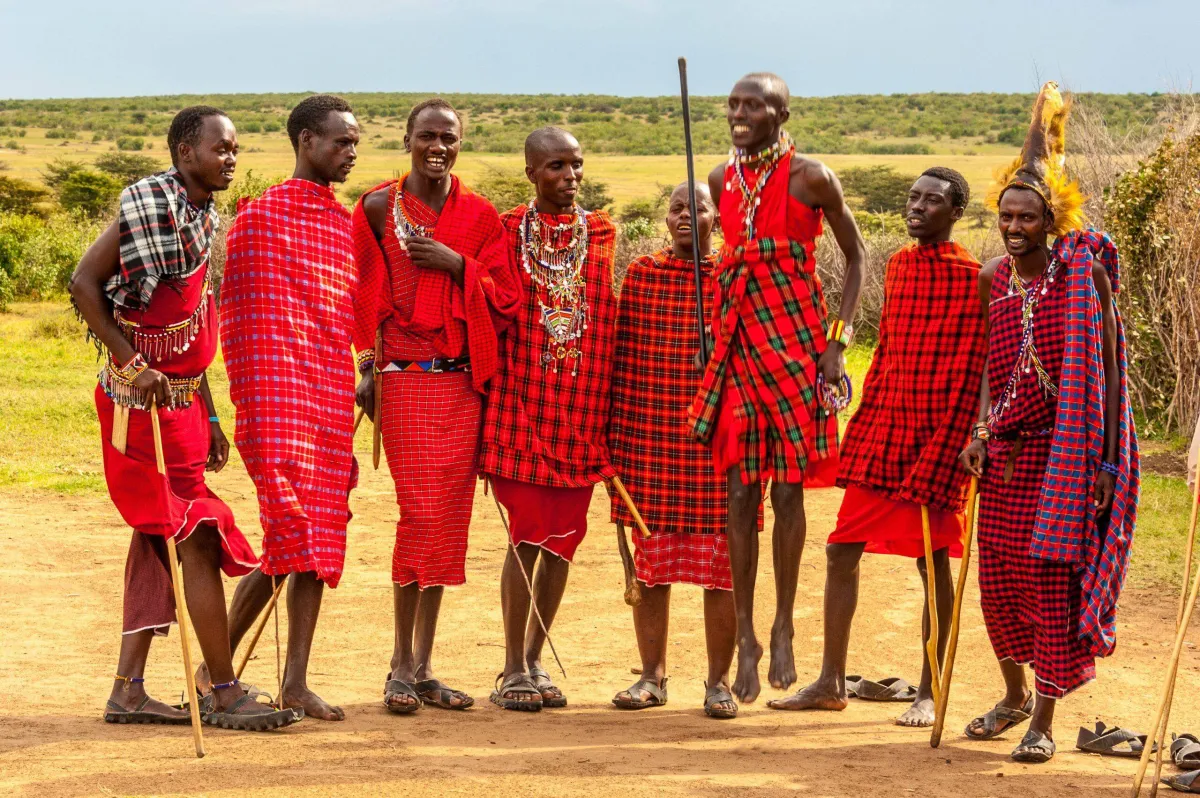
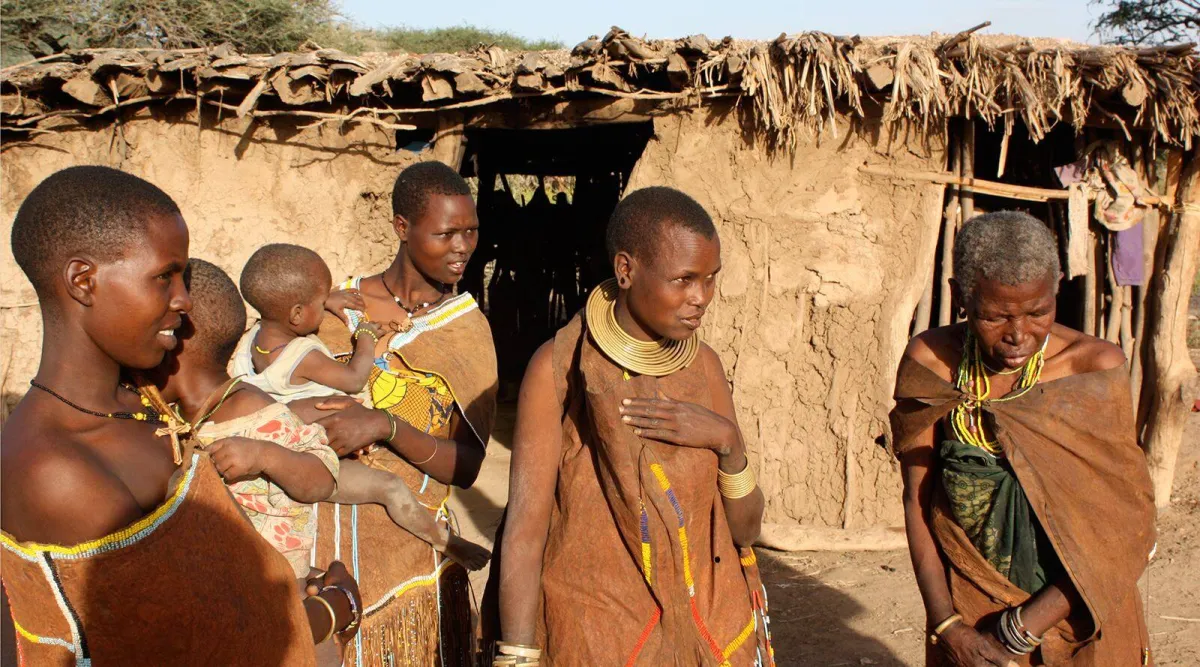
- Always ask before photographing people. Some, including many Maasai, may ask for a small payment or prefer not to be photographed.
- Never photograph military sites, police, airports, bridges or government buildings.
- Drones need permits and are not allowed in national parks without permission.
Everyday courtesies
- Greet people before asking a question — a simple "Jambo" or "Habari" goes a long way. See our Swahili phrases.
- Use your right hand to give and receive things.
- Be patient: "pole pole" (slowly, slowly) is a way of life.
- Plastic carrier bags are banned — carry a reusable bag.
Read on: travel safety and Tanzanian culture.