
One country, many peoples
Tanzania is home to more than 120 ethnic groups, each with its own language and traditions. What holds them together is Swahili, the national language, and a strong sense of being Tanzanian — built after independence in 1961 under the country's first president, Julius Nyerere. Visitors are often struck by how peaceful, polite and welcoming people are. "Karibu" — welcome — is a word you will hear everywhere.
Peoples you may meet on safari
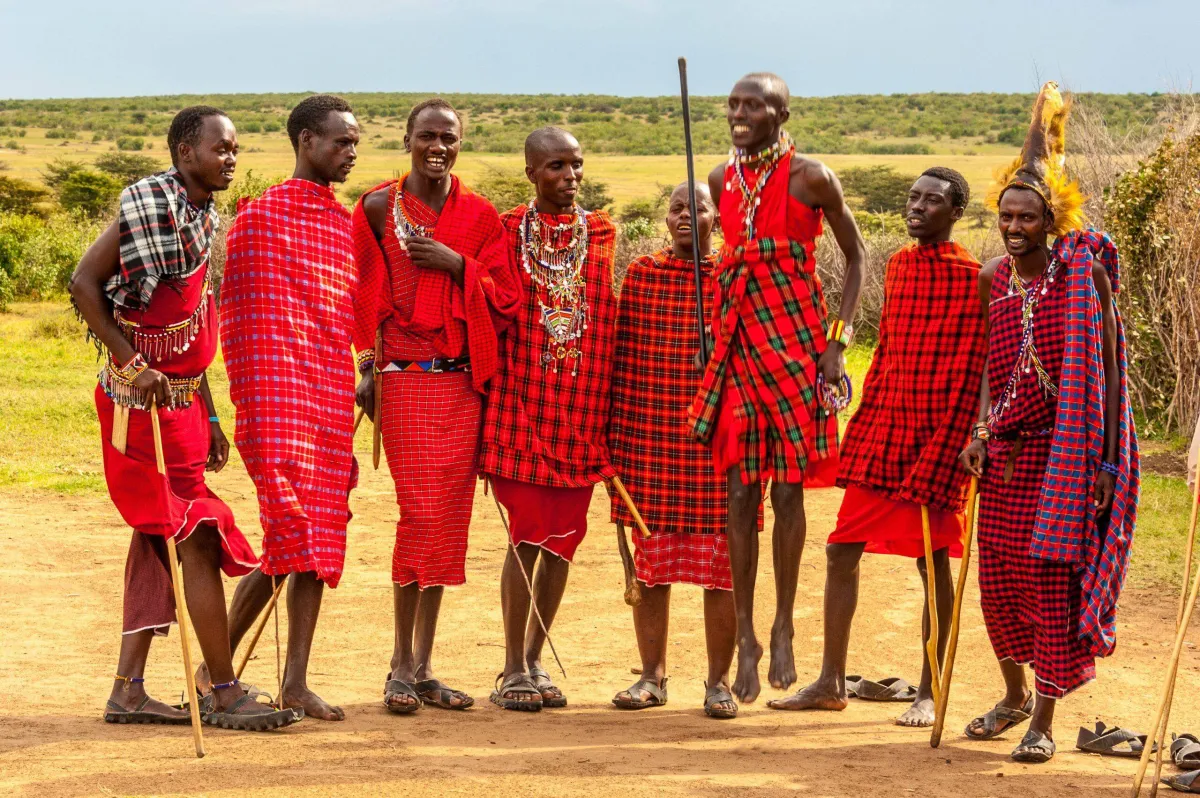
The Maasai
Semi-nomadic cattle herders of the plains around Arusha, Ngorongoro and the Serengeti, known for their red shúkà cloths, beadwork and jumping dances. Cattle are at the heart of Maasai life and wealth. In the Ngorongoro Conservation Area they live alongside the wildlife.
The Hadzabe
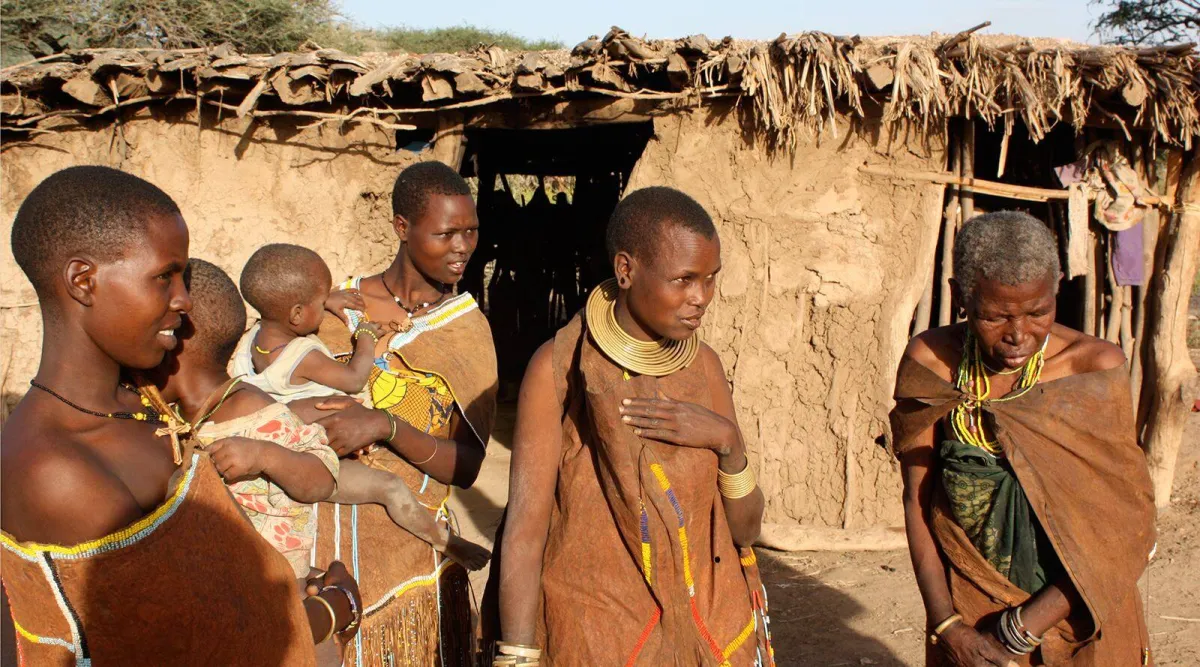
Near Lake Eyasi live the Hadzabe, one of the last hunter-gatherer peoples in Africa. They hunt with bows and gather roots, berries and honey, and speak a language with click sounds. A morning with them is unforgettable.
The Datoga
Also near Lake Eyasi, the Datoga are pastoralists and skilled blacksmiths who turn scrap metal into arrowheads, bracelets and tools.
The Chagga and the Iraqw
The Chagga farm the fertile slopes of Kilimanjaro, famous for coffee and bananas. The Iraqw farm the highlands around Karatu, near the Ngorongoro Crater.
Swahili coast and Zanzibar
On the coast and on Zanzibar, centuries of Indian Ocean trade blended African, Arab, Persian and Indian influences into Swahili culture — seen in Stone Town's carved doors, its spice markets and its food. Zanzibar is largely Muslim and more conservative in dress. See Zanzibar beach holidays.
Religion
Tanzanians are mostly Christian or Muslim, with traditional beliefs still important in many communities. Different faiths live side by side, and religious holidays of both are public holidays. During Ramadan, be discreet about eating and drinking in public on Zanzibar and the coast.
Greetings and manners
- Greetings matter. Say hello and ask how someone is before asking a question — see our Swahili phrases.
- Elders are greeted with respect: "Shikamoo".
- Use your right hand to give, receive and eat.
- Public displays of affection are uncommon; keep them private.
- Patience is valued — things move "pole pole", slowly.
What to wear
Dress modestly in towns and villages, covering shoulders and knees — especially on Zanzibar and in Muslim areas. Beachwear belongs on the beach.
Visiting communities respectfully
- Visit with a guide who knows the community — our optional activities include Maasai and Datoga visits and a walk through the village of Mto wa Mbu.
- Always ask before taking photographs of people.
- Buy crafts directly from the makers — it is a fair way to support families.
- Do not hand out sweets or money to children; if you want to help, give through a registered local school or charity instead.