
Clothing
Safari clothing is about comfort, not fashion. Choose light, breathable fabrics in neutral colours — khaki, olive, beige, brown. Avoid dark blue and black, which attract tsetse flies in some areas, and bright white, which shows the dust within an hour.
- 3–4 light shirts or T-shirts, and 2 long-sleeved shirts for sun and mosquitoes
- 2 pairs of comfortable trousers and 1–2 pairs of shorts
- A warm fleece or light down jacket — mornings and evenings are cold, especially on the Ngorongoro Crater rim
- A light waterproof jacket, essential from March to May and in November
- A wide-brimmed hat and a buff or scarf against sun and dust
- Closed walking shoes or light boots, plus sandals for the lodge
- Swimwear — many lodges have a pool
- Sleepwear and underwear; most lodges and camps have a laundry service, so you need less than you think
Safari gear
- Binoculars — one pair each if you can; you will use them on every drive.
- Camera with a zoom lens, spare batteries and memory cards.
- Power bank and a travel adapter — Tanzania uses type D and G sockets at 230 V. Most lodges have charging points in the room or the main area.
- Sunglasses, ideally polarised.
- A small daypack for the vehicle.
- A reusable water bottle — we provide drinking water on safari.
- A head torch for camps after dark.
Health and personal items
- Antimalarial tablets and any prescription medicines, in your hand luggage
- Insect repellent with DEET or picaridin
- High-factor sunscreen and lip balm
- A small first-aid kit, hand sanitiser and wet wipes
- Spare glasses or contact lenses — the dust is hard on lenses
Documents and money
- Passport, printed visa grant notice and copies of both
- Yellow fever certificate, if your route needs one — see travel requirements
- Travel insurance details, and Zanzibar insurance if you visit the islands
- Flight tickets and your safari itinerary, printed or saved offline
- A card, plus clean US dollar notes printed after 2009 for tips and extras
Luggage: soft bags and weight limits
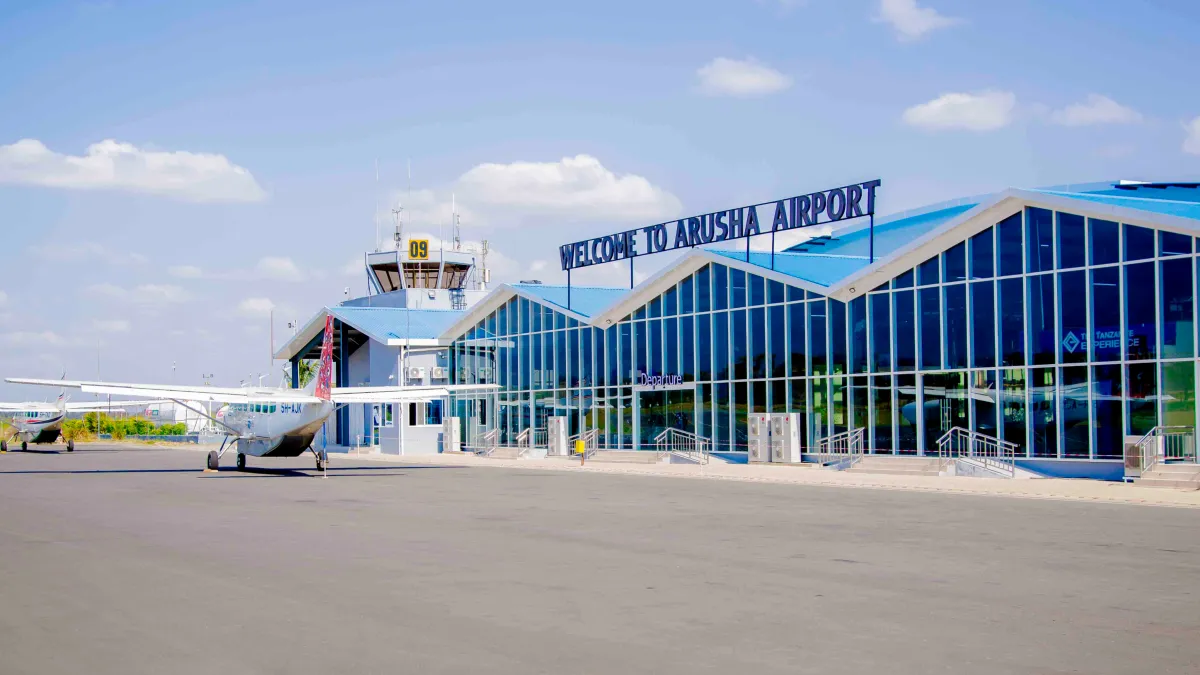
On a road safari, a medium-sized suitcase or duffel is fine. If your itinerary includes a light-aircraft flight — to the Serengeti, for example — the luggage limit is usually around 15 kg per person including hand luggage, in a soft bag without wheels or a rigid frame, so it fits into the small hold. We confirm the exact limit for your flights. Most Arusha hotels can store extra luggage while you are on safari.
What to leave at home
- Plastic carrier bags — they are banned in Tanzania.
- Drones — they need permits and are not allowed in the parks without permission.
- Camouflage clothing — it is associated with the military and best avoided.
- Too many clothes — laundry is easy, luggage space is not.
Our team sends a detailed checklist with every booking. More ideas in our blog post Safari packing list for 2026.