Tanzania at a glance
- Capital: Dodoma · largest city: Dar es Salaam
- Population: about 62 million (2022 census)
- Area: about 947,000 km² — the largest country in East Africa
- Languages: Swahili and English
- Currency: Tanzanian shilling (TZS)
- Formed: 1964, when Tanganyika and Zanzibar united
The land
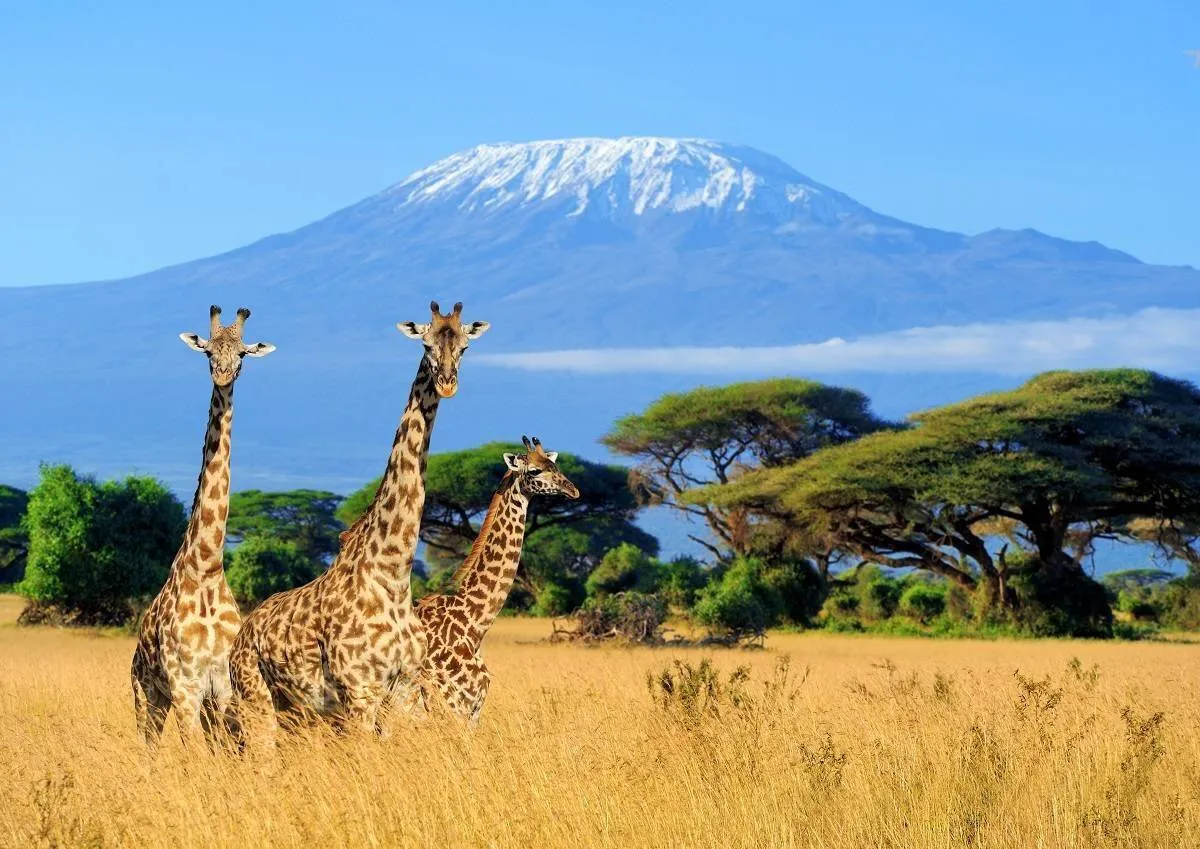
- Mount Kilimanjaro is the highest mountain in Africa at 5,895 metres, and the world's highest free-standing mountain. Its summit is Uhuru Peak.
- Lake Victoria, shared with Uganda and Kenya, is Africa's largest lake.
- Lake Tanganyika, on the western border, is one of the longest and deepest freshwater lakes in the world.
- The Great Rift Valley runs through northern Tanzania; Lake Manyara lies at the foot of its escarpment.
- Ol Doinyo Lengai, near Lake Natron, is an active volcano that erupts unusual black lava that turns white as it cools.
Parks and protected areas
- Tanzania has more than twenty national parks, plus game reserves and the Ngorongoro Conservation Area — together protecting a large share of the country.
- The Serengeti covers about 14,750 km². Its name comes from the Maasai word for "endless plains".
- The Ngorongoro Crater is one of the largest unbroken volcanic calderas in the world — its floor covers about 260 km², and its walls are around 600 m high.
- The Serengeti, the Ngorongoro Conservation Area, Kilimanjaro and the Selous Game Reserve are UNESCO World Heritage sites, as is Stone Town on Zanzibar.
Wildlife
- The Great Migration moves more than a million wildebeest, with hundreds of thousands of zebra and gazelle, in a yearly loop through the Serengeti and Kenya's Maasai Mara.
- Hundreds of thousands of wildebeest calves are born on the southern Serengeti plains in a few weeks each year, usually in February.
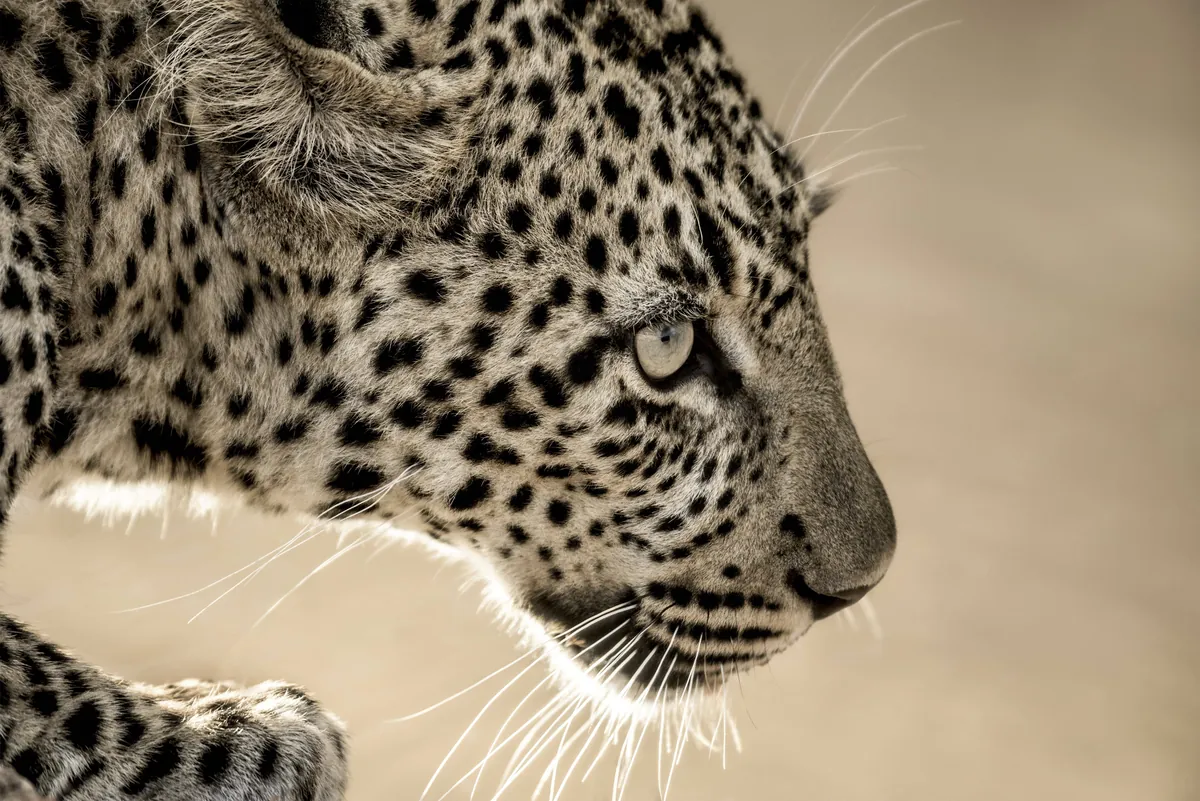
- All of the Big Five — lion, leopard, elephant, buffalo and rhino — live in northern Tanzania.
- Tanzania has one of the largest lion populations in Africa.
- More than 1,000 bird species have been recorded in the country.
- Lake Manyara and Tarangire are known for lions that climb trees.
People and history
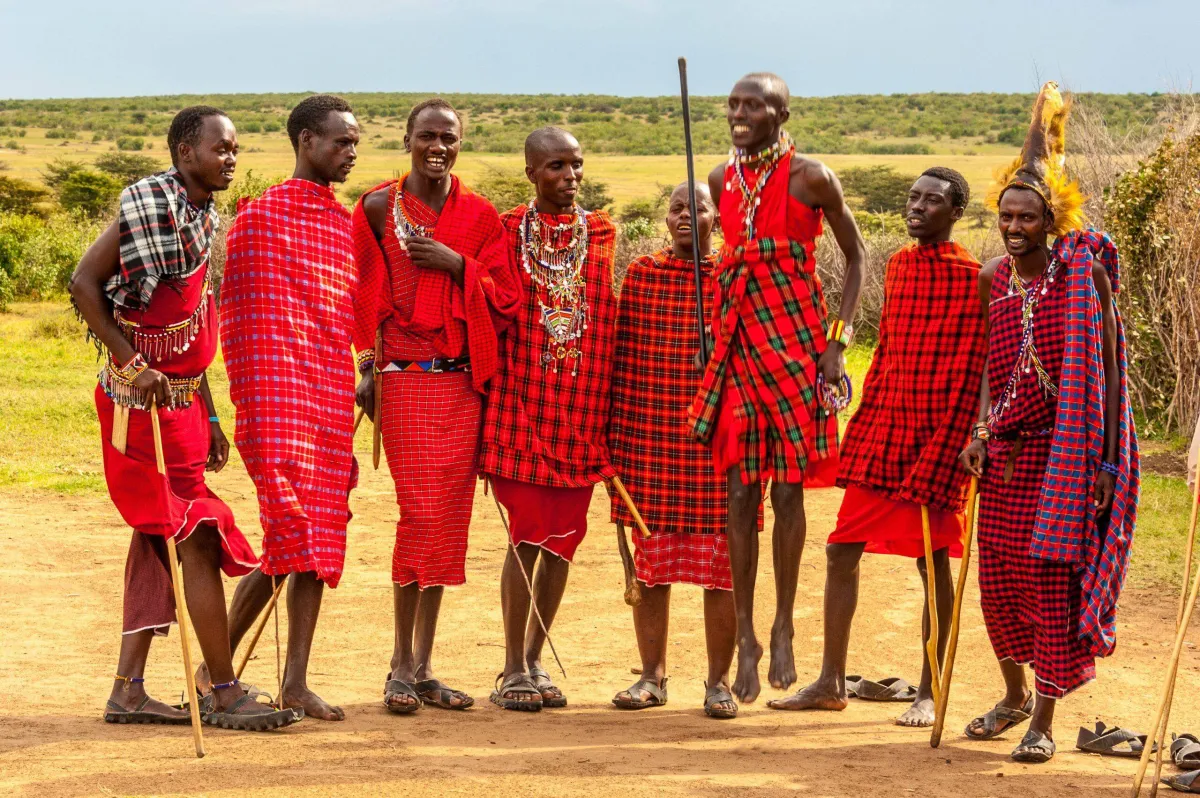
- Tanzania is home to more than 120 ethnic groups, united by Swahili as a common language.
- Olduvai Gorge, between Ngorongoro and the Serengeti, has yielded some of the most important early human fossils.
- At Laetoli, footprints left by early humans in volcanic ash about 3.6 million years ago were found in 1978.
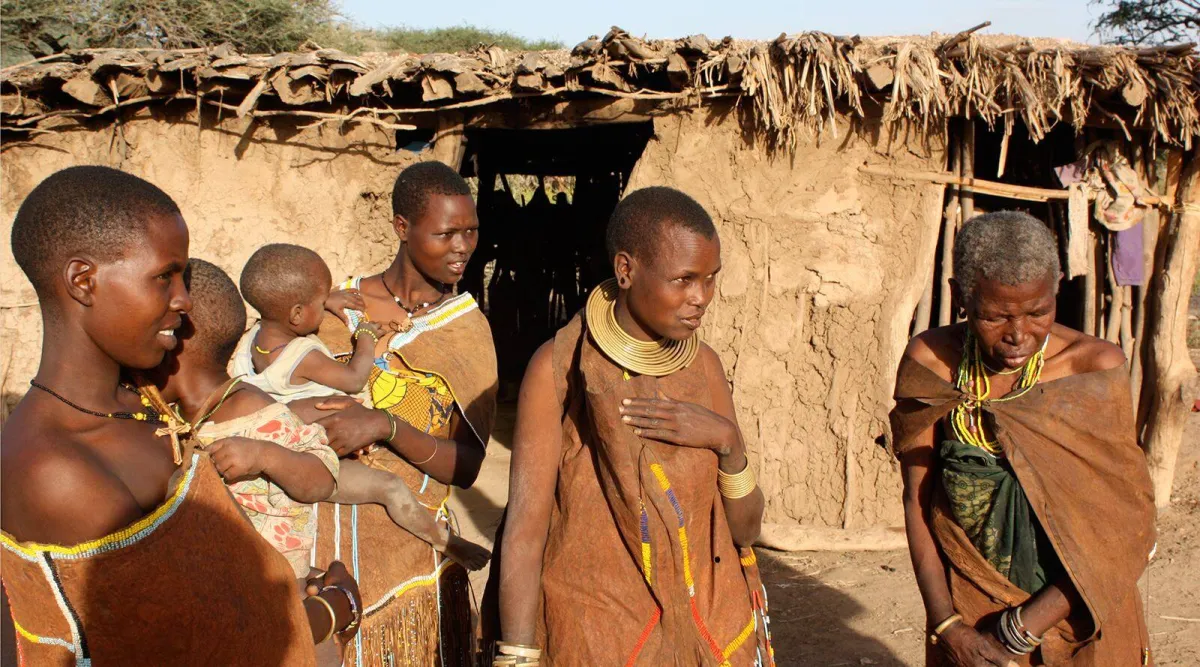
- The Hadzabe near Lake Eyasi are among the last hunter-gatherer peoples in Africa.
- Zanzibar was a centre of the Indian Ocean spice trade and is still known for cloves.
See more in why Tanzania is a top safari destination and our national parks guide.