
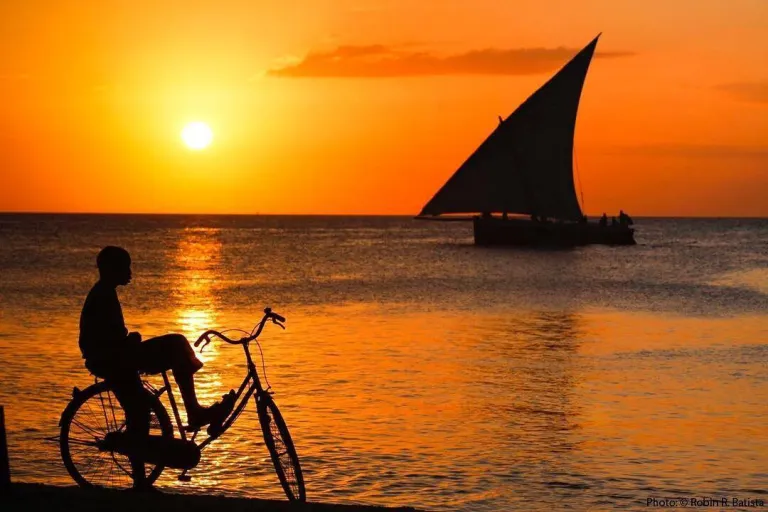
A Swahili island
Zanzibar's culture grew from centuries of trade across the Indian Ocean. African, Arab, Persian and Indian influences mixed into the Swahili way of life — in the language, the food, the music (listen for taarab), the architecture of Stone Town and the island's gentle pace. The great majority of Zanzibaris are Muslim, and faith shapes daily life: the call to prayer, Friday prayers and modest dress.
What to wear
- In Stone Town, villages and markets: cover your shoulders and knees. Loose trousers or long skirts and T-shirts or light shirts are ideal for men and women.
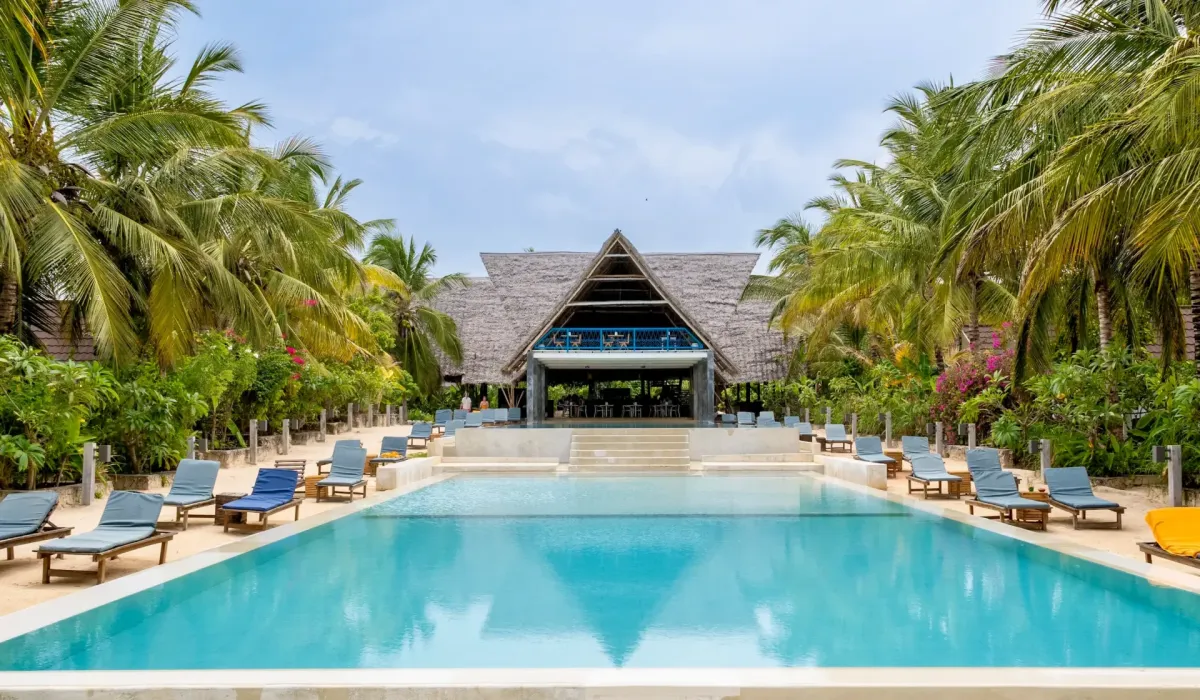
- On hotel beaches and at the pool: swimwear is fine.
- Walking from the beach into a village: put on a cover-up, shirt or sarong.
- Topless sunbathing is not acceptable anywhere.
See the Zanzibar packing list.
Ramadan
During the holy month of Ramadan, Muslims fast from dawn to sunset. Its dates change each year. Many local restaurants close by day, and evenings become lively when the fast is broken. Visitors are not expected to fast, but please do not eat, drink or smoke in public in the daytime; hotels and resorts continue to serve guests as normal.
Greetings and manners
- Greet people before asking a question — "Jambo", "Habari", "Salaam aleikum". See Swahili phrases.
- Use your right hand to give, receive and eat.
- Keep displays of affection private.
- Be patient and polite — "pole pole", slowly slowly, is the island rhythm.
- Alcohol is served in hotels and tourist restaurants; avoid drinking in public places in town.
Photography
Always ask before photographing people, especially women and in villages. Some people may decline or ask for a small payment. Do not photograph inside mosques or during prayers.
Mosques
Most mosques in Zanzibar are not open to non-Muslim visitors. Admire them from outside, and keep quiet near them at prayer times.
Supporting local life
- Buy spices, crafts and textiles directly from local makers and markets.
- Visit a village, a seaweed farm or a spice farm with a local guide.
- Do not give money or sweets to children.
More about the wider country in our Tanzania culture guide.