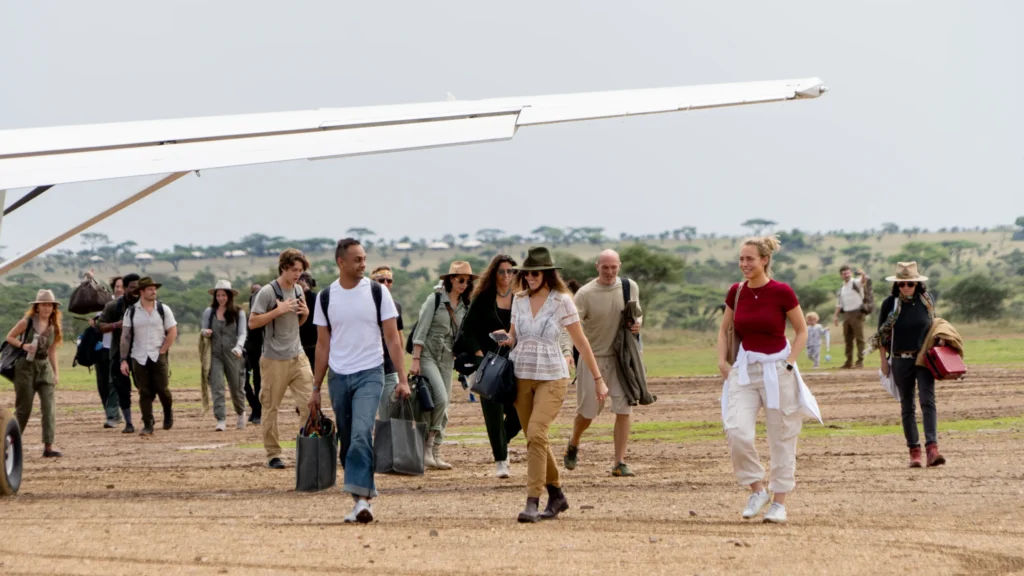
Timing is everything when planning a safari in Tanzania. For travellers, understanding the seasons, wildlife patterns, and weather can make the difference between a good safari and an unforgettable one. At WildPride Safari, we guide travellers on the best times to visit, ensuring optimal wildlife sightings, comfort, and overall experience.
High Season (June – October)
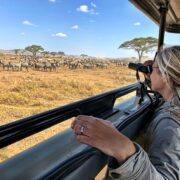
This is Tanzania’s peak safari season and the most popular time for travellers. Dry weather dominates, making wildlife easier to spot as animals gather around rivers and waterholes. It’s also the prime time for witnessing the Great Migration in the northern Serengeti, including dramatic river crossings. Expect higher prices, but the abundant wildlife, clear skies, and ideal conditions make it well worth it.
Green Season (March – May)
The green or rainy season brings lush landscapes, fewer crowds, and lower prices. While afternoon showers are common, they rarely disrupt game drives. This season is ideal for travellers who want a quieter, more affordable safari with excellent birdwatching and newborn wildlife, as many species give birth during this time. The southern Serengeti sees the start of calving season, attracting predators and offering thrilling wildlife encounters.
Shoulder Months (January – February & November)
These months provide a balance between cost, crowds, and wildlife activity. January and February are warm with short rains possible, ideal for visiting the southern Serengeti and Ngorongoro Crater. November marks the start of the short rains, making landscapes vibrant while still allowing excellent game viewing. For travellers seeking fewer tourists but quality wildlife experiences, these months are perfect.
Wildlife Considerations
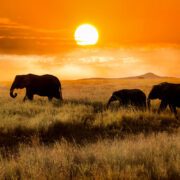
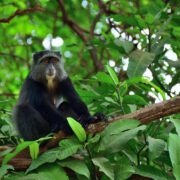
Different parks have different peak wildlife periods. Serengeti National Park is best for migration viewing and predator activity, while Ngorongoro Crater and Tarangire are excellent year-round. Lake Manyara is famous for its flamingos and bird species, particularly during the wet season. WildPride Safari helps travellers plan park visits according to seasonal wildlife activity for maximum sightings.
Climate and Comfort
Weather and temperatures vary by region and season. High season is warm and dry, green season is cooler with occasional rains, and mornings/evenings can be chilly in the Crater Highlands or elevated areas. Packing layers, waterproofs, and comfortable gear ensures a safe and pleasant safari regardless of the month.
Budget and Availability
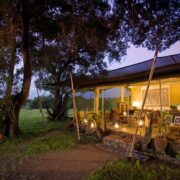
High season comes with higher prices and fully booked lodges, so early planning is essential for travellers. Green season offers lower rates and more flexible availability. WildPride Safari provides transparent pricing and helps schedule accommodations, transport, and game drives for the best value and experience.
Conclusion
For travellers, there is no bad time to enjoy a safari in Tanzania, but choosing the right season enhances wildlife sightings, comfort, and overall experience. Whether you aim to witness the Great Migration, newborn wildlife, or simply enjoy a peaceful safari, WildPride Safari tailors itineraries to match the season with your preferences, making every trip unforgettable.