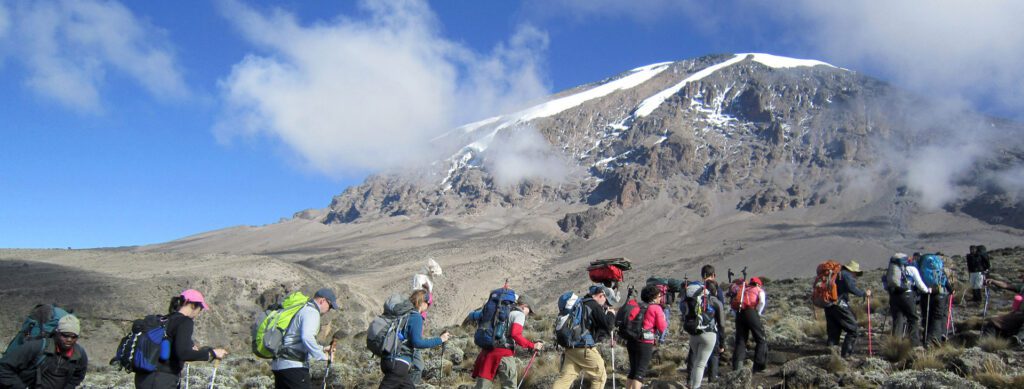
1. The Highest Free-Standing Mountain in the World
Mount Kilimanjaro rises to 5,895 meters (19,341 feet) above sea level, making it Africa’s tallest peak and the highest free-standing mountain on Earth. As part of the “Seven Summits,” Kilimanjaro attracts adventurers from the United States and around the globe who want to experience a true bucket-list climb.
2. Kilimanjaro Is a Volcano with Three Distinct Cones
Kilimanjaro is not a single peak but a volcanic massif made up of three cones: Kibo, Mawenzi, and Shira. Kibo is the dormant cone that forms the summit, while Mawenzi and Shira are extinct. This unique volcanic structure gives the mountain its striking profile and diverse climbing terrain.
3. Trekking Through Multiple Climate Zones
Climbing Kilimanjaro is like traveling from the equator to the Arctic in just a few days. Trekkers pass through five distinct ecological zones—from tropical forests at the base, through heath and moorland, to alpine deserts, and finally to the icy summit. This makes the climb an extraordinary journey through a vertical slice of the world’s climates.
4. Glaciers Are Rapidly Disappearing
Kilimanjaro’s iconic glaciers and snowfields are shrinking due to climate change. Today, only a small fraction of the ice that once covered the summit remains. Climbing now allows trekkers to witness these disappearing natural wonders and experience a unique moment in history.
5. Thousands Attempt the Climb Each Year
Every year, around 30,000 to 35,000 people attempt Kilimanjaro. Despite its height, the climb is non-technical on standard routes, making it accessible to many travelers who are reasonably fit and well-prepared. This popularity also means well-organized routes and services are available to guide you safely to the top.
6. Rich Biodiversity Along the Trek
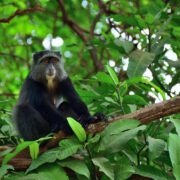
The mountain’s slopes are home to diverse flora and fauna. In the lower forest and rainforest zones, trekkers may spot monkeys, colorful birds, and unique plant species such as giant lobelias and groundsels. As you ascend, vegetation thins, giving way to surreal alpine landscapes that are rarely seen anywhere else in the world.
7. No Technical Climbing Skills Are Needed on Standard Routes
Unlike many of the world’s tallest peaks, Kilimanjaro’s standard trekking routes do not require ropes, ice axes, or advanced climbing skills. With proper preparation, guidance, and acclimatization, even first-time climbers can achieve this extraordinary adventure.
8. Summit Achievement Is Life-Changing
Reaching Uhuru Peak is a remarkable accomplishment. As part of the Seven Summits, Kilimanjaro represents one of the most accessible yet challenging high-altitude climbs on Earth. Standing above the clouds with panoramic views is an unforgettable reward for every trekker.
9. Dramatic Landscapes and Views
Throughout the climb, trekkers experience a stunning transition of landscapes—from lush forests to moorlands, alpine deserts, and icy peaks. Sunrise and sunset views over the African plains are breathtaking and provide countless opportunities for photography and reflection.
10. A Trek for All Levels of Adventurers
Kilimanjaro appeals to a wide range of travelers—from first-time trekkers to experienced hikers seeking high-altitude adventure. Its combination of accessibility, physical challenge, and incredible scenery makes it a versatile and rewarding climb for adventurers of all kinds.