Tanzania continues to be one of the most sought-after safari destinations for travelers, and 2026 is expected to bring even more demand as travellers look for immersive wildlife experiences. With improved infrastructure, enhanced conservation policies, and steady tourism growth, safari prices are evolving. Understanding how these costs are structured helps travelers prepare their budget confidently.
In 2026, Tanzania safari prices for travellers generally range from $250–$350 per person per day for budget packages, $450–$850 per day for mid-range tours, and $900–$1,800+ per day for luxury safaris. These variations depend on accommodation level, park fees, transportation quality, guiding standards, and seasonal timing. WildPride Safari ensures full transparency so travelers know exactly what they are paying for.
Park fees remain one of the most influential elements of safari pricing. Destinations like Serengeti National Park and the Ngorongoro Crater have higher conservation fees, vehicle charges, and government levies that directly influence the total cost. These fees support critical wildlife protection efforts, ensuring sustainable tourism and healthy ecosystems.
Accommodation is another major factor. Luxury lodges in iconic parks often come with premium pricing due to their exclusive locations, elevated service levels, and fully inclusive experiences. Mid-range lodges and tented camps provide exceptional comfort without excessive cost, while budget accommodations offer affordable options that still meet safety and quality standards. Many lodges are expected to adjust pricing slightly in 2026 to reflect rising operational and sustainability expenses.
Choosing between a private and group safari also impacts total cost. A private safari offers customization, flexibility, and personal attention—ideal for families, couples, or photographers. Group safaris reduce expenses by sharing guide and vehicle costs. WildPride Safari provides both options, making it easy for travelers to match their preferred experience with their budget.
Seasonal pricing continues to play a significant role. The High Season, running from June to October, aligns with peak wildlife activity and the Great Migration, resulting in higher demand and elevated prices. The Green Season (March to May) offers the best discounts and fewer crowds, appealing to budget-conscious travellers. Shoulder Seasons in January–February and November provide a balanced mix of value and excellent game viewing.
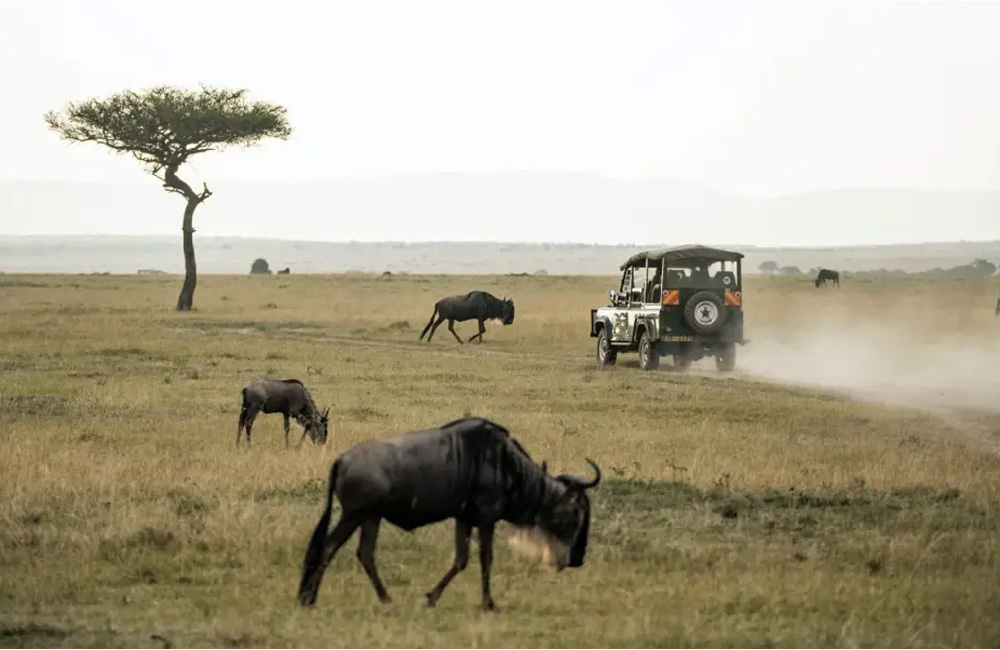
Vehicle quality and guide expertise also influence safari pricing. A well-maintained 4×4 Land Cruiser, a trained professional guide, unlimited game drives, and proper safety equipment all add value to a safari experience. Reputable operators like WildPride Safari invest heavily in guide development and vehicle maintenance to ensure travellers enjoy a reliable, comfortable, and enriching adventure.
Overall, Tanzania safari prices in 2026 reflect a blend of conservation support, accommodation choices, transport standards, and seasonal travel patterns. Travellers can expect transparent pricing and exceptional service when booking with trusted operators such as WildPride Safari. Planning early helps secure better rates and availability at preferred lodges, making a Tanzania safari in 2026 not just a holiday—but a lifelong memory.