Tanzania continues to be one of the safest and most welcoming countries in East Africa for travellers. Known for its warm hospitality, stable tourism sector, and friendly communities, the country attracts thousands of visitors each year to its national parks, beaches, and cultural sites. For travellers planning a trip in 2026, understanding safety conditions helps create a smooth and enjoyable experience.
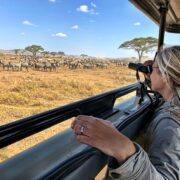
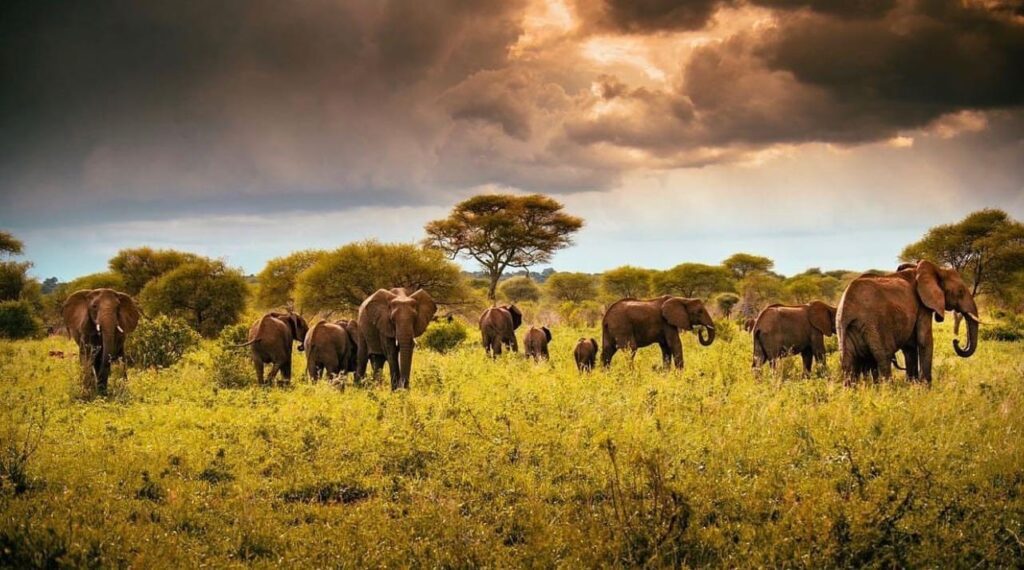
Most safari destinations in Tanzania—such as the Serengeti, Ngorongoro Crater, Tarangire, and Lake Manyara—are extremely safe. These protected areas are dedicated to tourism and wildlife conservation, with well-managed park systems and regulated access. Professional guides from companies like WildPride Safari ensure travelers move only through secure routes, stay in vetted accommodations, and follow safety guidelines during game drives.
Major tourist cities such as Arusha, Moshi, Dar es Salaam, and Zanzibar remain generally safe for visitors. Like any international destination, petty crimes such as pickpocketing can occur in busy markets or crowded streets, but these incidents are rare with basic precautions. Travelers are encouraged to keep valuables secured, avoid walking alone at night in unfamiliar areas, and use trusted transportation services.
One of the biggest safety advantages of Tanzania is its strong tourism infrastructure. Safari lodges and camps maintain high security standards with trained staff, 24-hour monitoring, and controlled entry points. Wildlife viewing is conducted by licensed guides who prioritize guest safety and understand animal behavior well. Many travellers describe Tanzania as more organized and safer than they expected.
Health and medical safety are also important considerations. Tanzania requires no mandatory vaccinations for entry, but routine travel vaccines and malaria precautions are recommended. In 2026, improved medical facilities, emergency evacuation services, and reliable communication networks make it safer than ever for tourists in remote safari areas. Reputable operators provide emergency plans and access to flying doctor services when needed.
Cultural safety in Tanzania is another strong point. Local communities are known for their respect, kindness, and genuine curiosity toward foreign visitors. Travellers often feel welcomed rather than targeted, which contributes to a relaxed travel atmosphere. Learning a few basic Swahili greetings—such as “Jambo” (hello) and “Asante” (thank you)—can help create friendly interactions.
Travel logistics also support safety for visitors. Major airports such as Kilimanjaro International Airport and Julius Nyerere International Airport have reliable security procedures, accredited taxi services, and tourist assistance desks. On safari, transportation is handled with professional 4×4 vehicles designed to tackle rugged terrain while maintaining stability and comfort.
Overall, Tanzania remains a safe and rewarding destination for travellers in 2026. With proper planning, guidance from reputable operators like WildPride Safari, and awareness of standard travel precautions, visitors can enjoy breathtaking landscapes, wildlife encounters, and cultural experiences with peace of mind. Tanzania’s commitment to welcoming international travelers ensures that safety and hospitality remain at the heart of every journey.