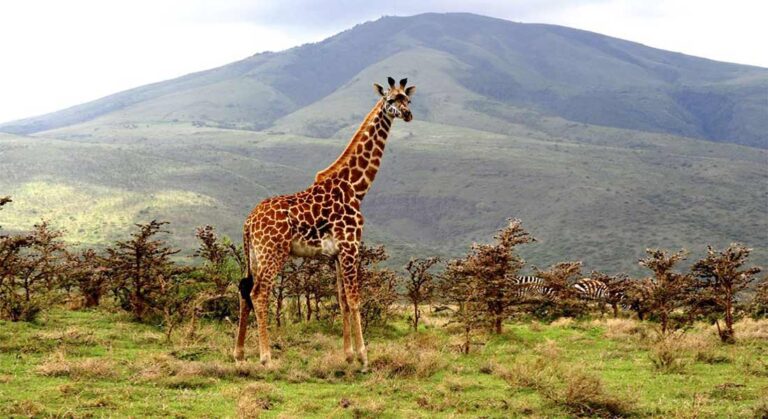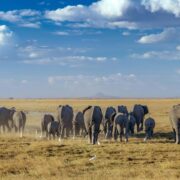
Queen Elizabeth National Park is located in western Uganda, spanning the districts of Kasese, Rubirizi, and Rukungiri. It stretches from the foothills of the Rwenzori Mountains to Lake George and Lake Edward. The park is one of Uganda’s most accessible and popular safari destinations, sitting about 400 km from Kampala. Its landscape includes savannah plains, wetlands, crater lakes, and lush forests.
Animals Found:
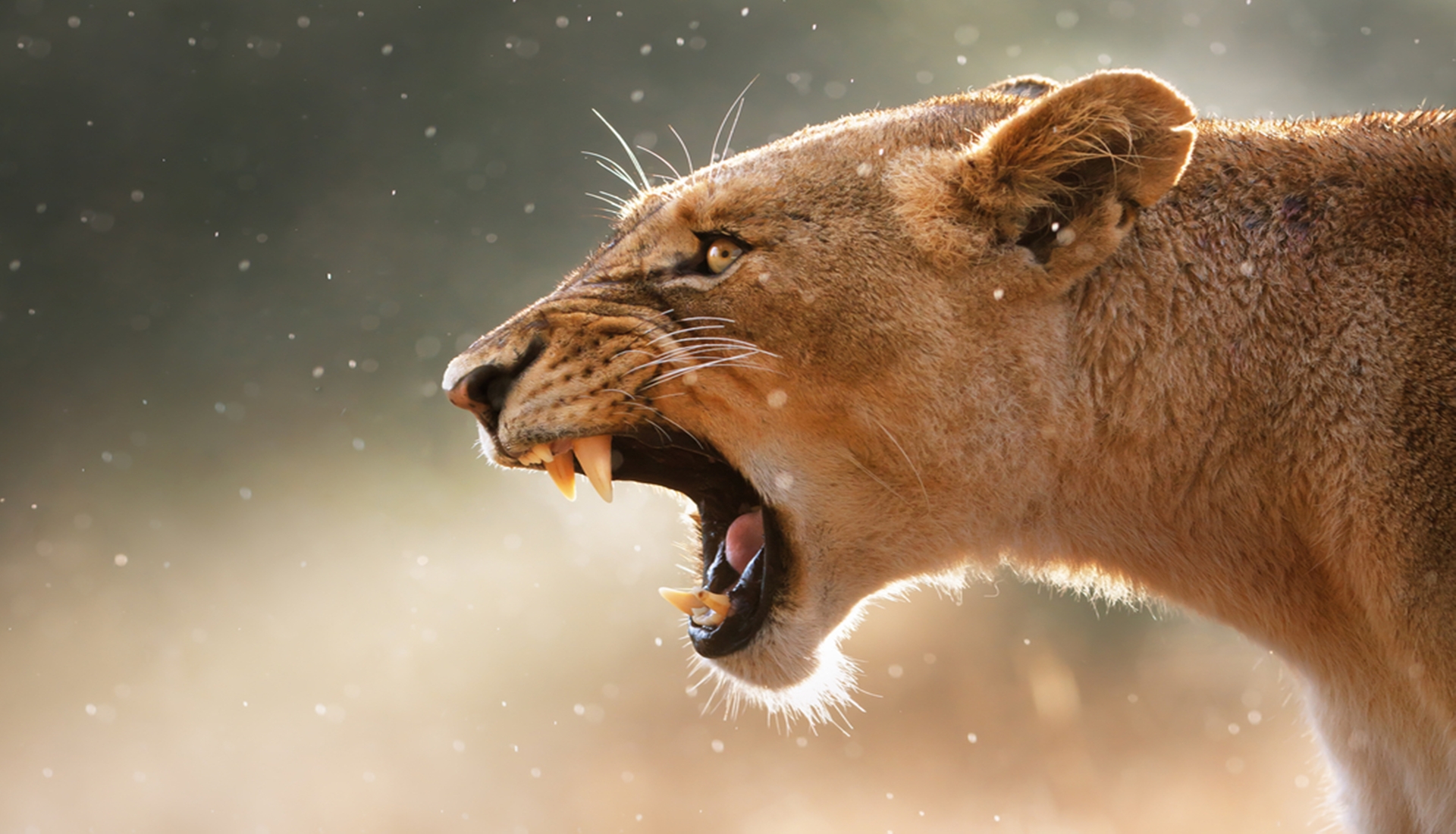
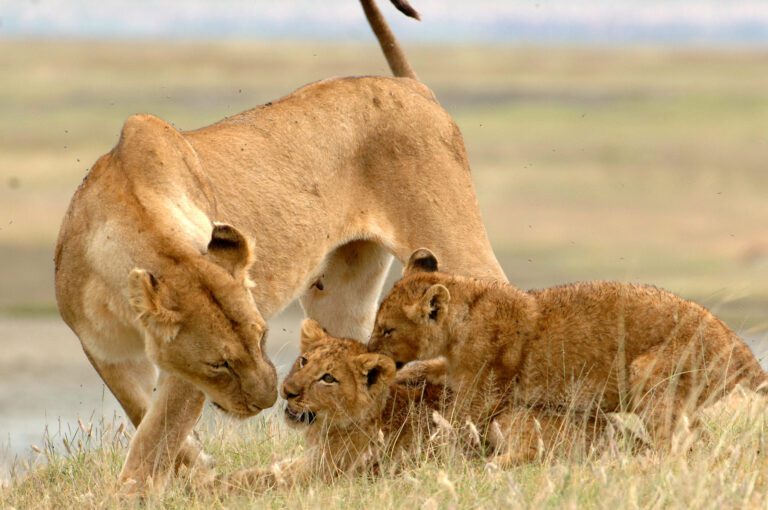
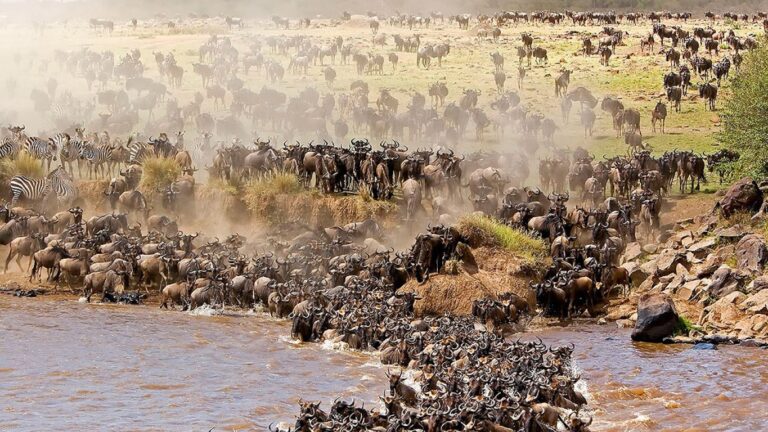
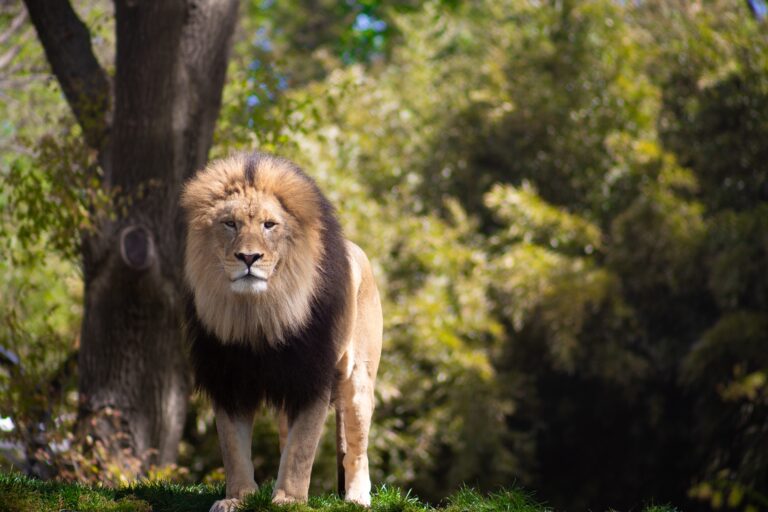
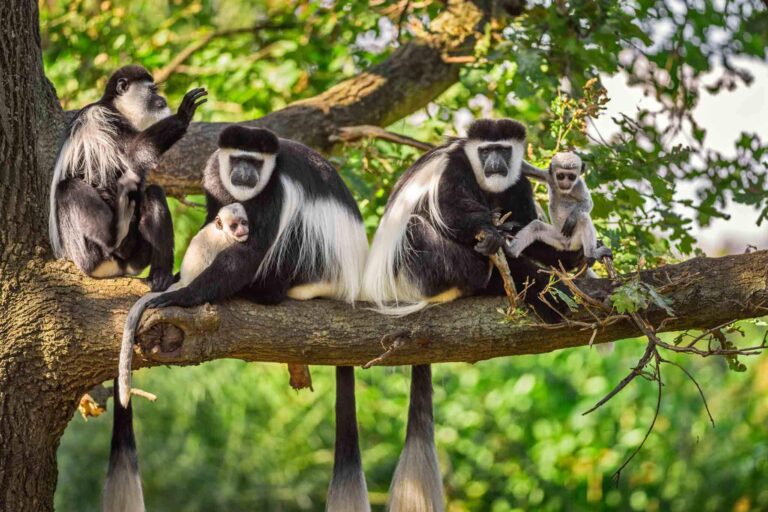
The park is home to an incredible range of wildlife, including elephants, hippos, buffaloes, lions, leopards, spotted hyenas, and giant forest hogs. The Ishasha sector is famous for its tree-climbing lions, which are rarely seen elsewhere in Africa. The Kazinga Channel boat cruise reveals large concentrations of hippos and crocodiles. Birdwatchers can enjoy over 600 recorded species, making it a top ornithological destination.
Best Time to Visit:
The best time to visit is during the dry season from June to September and December to February, when wildlife gathers around the water sources and visibility is excellent. The Kazinga Channel is particularly spectacular throughout the year, but dry months offer better photography conditions. Wet seasons (March–May and October–November) bring lush scenery and fewer crowds.
Weather Conditions:
Queen Elizabeth experiences a warm tropical climate. Temperatures range from 18°C to 28°C (64–82°F). Rainfall is moderate, with peak rainy periods in March–May and October–November. Savannah areas can become dusty in dry seasons, while wetlands and crater lakes remain green year-round. The park generally offers pleasant conditions for safaris throughout the year.