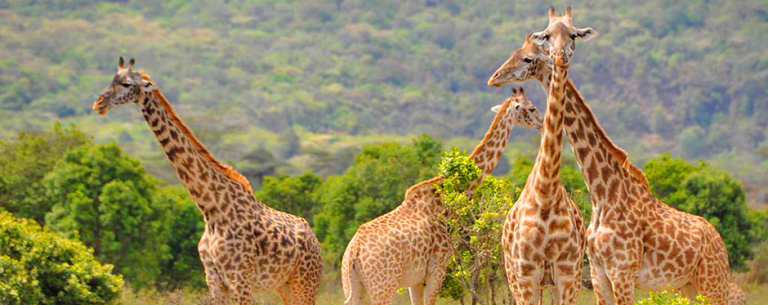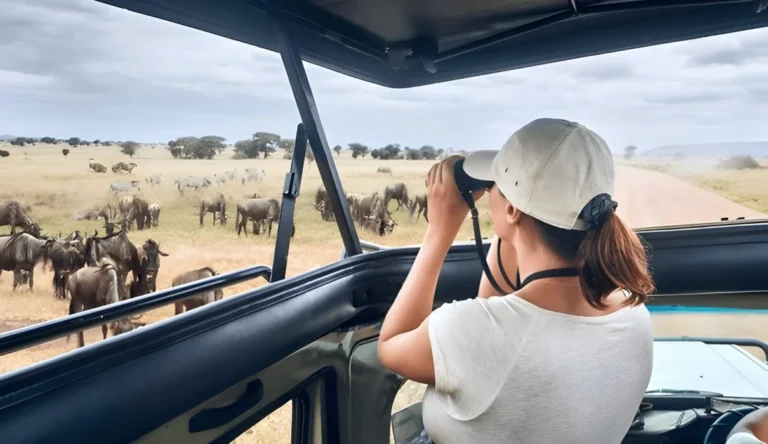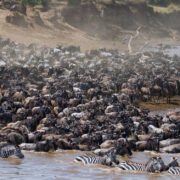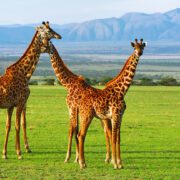
For many American travelers, witnessing the Great Migration in Tanzania is the ultimate safari bucket list experience. Millions of wildebeest, zebras, and gazelles move across the Serengeti in search of fresh grazing, creating one of the most spectacular wildlife events on Earth. At WildPride Safari, we help U.S. travelers plan their visit to maximize sightings, comfort, and safety.
The Great Migration is a year-round phenomenon, but the best viewing depends on the season. From January to March, calving season occurs in the southern Serengeti, where thousands of newborn wildebeest attract predators. April to May marks the rainy season, when grass is lush but river crossings are limited. From June to October, the herds move northward, crossing rivers like the Mara, providing dramatic and photogenic wildlife encounters.
American travelers should understand that the timing of their safari is key. The most iconic moments, like river crossings, usually occur between July and September, attracting both photographers and wildlife enthusiasts. Traveling in the shoulder months, such as June or October, often means fewer crowds while still offering incredible wildlife viewing opportunities.
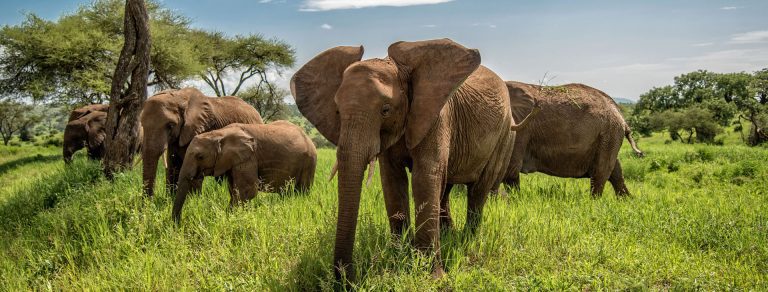
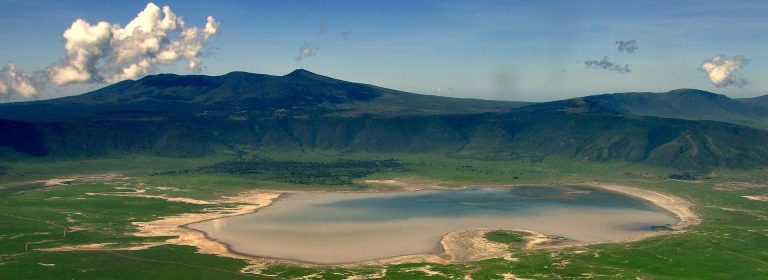
A successful Great Migration safari combines strategic park selection with expert guiding. Serengeti National Park is the heart of the migration, while Ngorongoro Crater, Tarangire, and Lake Manyara offer complementary wildlife experiences. WildPride Safari ensures that U.S. visitors have access to the best camps and lodges in prime locations for migration viewing.
Safari duration is another critical factor. First-time American travelers typically benefit from 5–7 days, which allows time to explore key Serengeti regions and nearby parks. For those seeking extended wildlife immersion, 10–12 days provides opportunities to witness multiple river crossings and experience more remote areas of the Serengeti.
Luxury or mid-range accommodation options also influence the migration experience. Many travelers from the U.S. prefer lodges and tented camps that combine comfort with proximity to wildlife. Private game drives, professional guides, and flexible itineraries allow travelers to capture every migration moment safely and comfortably.
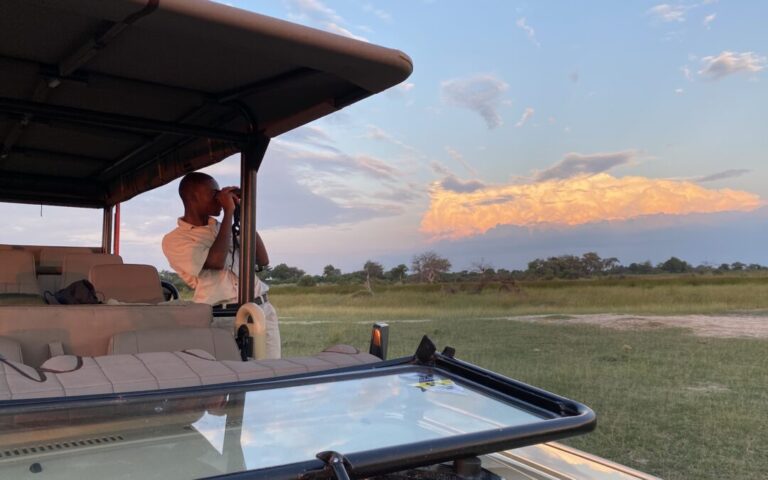
Beyond wildlife, the Great Migration safari offers cultural and scenic experiences. American travelers can visit Maasai villages, enjoy dramatic sunsets over the Serengeti plains, and experience the rich landscapes of northern Tanzania. This combination of wildlife and culture creates a holistic safari adventure that appeals to first-time and repeat visitors alike.
In summary, the Great Migration is a must-see for U.S. travelers seeking the ultimate safari experience. With careful planning, seasonal awareness, and expert guidance from WildPride Safari, witnessing this natural spectacle becomes a seamless, unforgettable adventure — one that leaves memories that last a lifetime.