Going on a Tanzania safari in 2026 is an unforgettable adventure, but packing correctly can make the difference between a smooth, comfortable experience and a stressful one. Whether you are a first-time traveller or a seasoned safari-goer, this comprehensive packing list from WildPride Safari ensures you are prepared for wildlife encounters, changing weather, and all the safari activities.
1. Clothing Essentials
Tanzania’s weather can vary by season and region, so packing the right clothes is key. Neutral, breathable, and comfortable clothing works best for safaris.
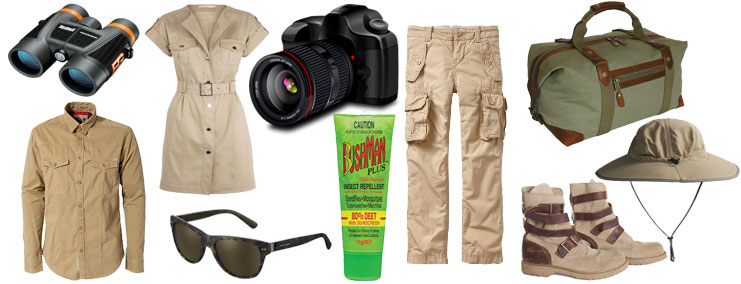
Lightweight, breathable shirts and pants – Neutral colors like khaki, olive, or beige avoid attracting insects and wildlife attention.
Long-sleeved shirts – Protects from sunburn and mosquitoes during early morning or evening game drives.
Shorts or skirts – For warm afternoons, especially in green season or lowland areas.
Warm layers – Fleece, light jacket, or thermal top for chilly mornings/evenings in highlands or Ngorongoro Crater.
Waterproof jacket or poncho – Essential during green season (March–May) when afternoon showers are common.
Hat or cap – Wide-brimmed for sun protection.
Comfortable safari shoes – Closed-toe walking shoes or light hiking shoes; sandals for lodge use.
2. Safari Gear & Accessories
Having the right equipment enhances your wildlife experience and makes game drives more enjoyable.
Binoculars – Essential for spotting distant wildlife.
Camera and extra memory cards – Include zoom lenses for capturing close-up wildlife photos.
Sunscreen and lip balm with SPF – Sun protection is crucial on open savannahs.
Sunglasses – Polarized lenses reduce glare.
Small backpack or daypack – For carrying water, camera, and essentials on game drives.
Reusable water bottle – Staying hydrated is important in the dry season.
Insect repellent – Protects against mosquitoes and other insects.
3. Health & Personal Items
Tanzania’s safari regions are well-equipped, but preparation ensures comfort and safety.
Travel vaccinations – Check with your doctor for routine vaccines and malaria prophylaxis.
First-aid kit – Include bandages, antiseptic, painkillers, and personal medications.
Hand sanitizer and wet wipes – Convenient during game drives.
Toiletries – Biodegradable soap/shampoo is recommended for eco-friendly lodges.
Prescription glasses or contact lenses – Plus a backup solution.
4. Travel & Documentation
Keep important documents safe and accessible for a hassle-free safari.
Passport and copies – Required for entry and park permits.
Travel insurance information – Essential for medical emergencies and cancellations.
Flight tickets, lodge confirmations, and safari itinerary – Print copies or save offline.
Local currency (Tanzanian Shillings) and credit cards – Lodges may accept cards, but cash is useful for tips or small purchases.
5. Optional Items for Extra Comfort
These items enhance your safari experience, especially for longer itineraries or luxury lodges.
Travel pillow and eye mask – For comfortable flights and road transfers.
Light scarf or buff – Protects against dust during game drives.
Notebook or journal – Record wildlife sightings and memories.
Travel adapter and power bank – For charging electronics.
Bin bag or dry bag – Keeps clothes and electronics safe from dust or rain.
Tips for Packing Light
Stick to neutral colors to blend with the environment.
Layering is better than packing heavy clothing.
Avoid overpacking — safari lodges and camps often have laundry services.
Keep essential items like cameras, binoculars, and medications in your carry-on during flights.
Conclusion
Packing smart is key to enjoying a Tanzania safari in 2026. With the right clothing, gear, and essentials, travellers can focus on what truly matters — incredible wildlife encounters, stunning landscapes, and unforgettable safari memories. WildPride Safari provides guidance on packing, preparation, and itinerary planning to make your safari smooth, safe, and unforgettable.