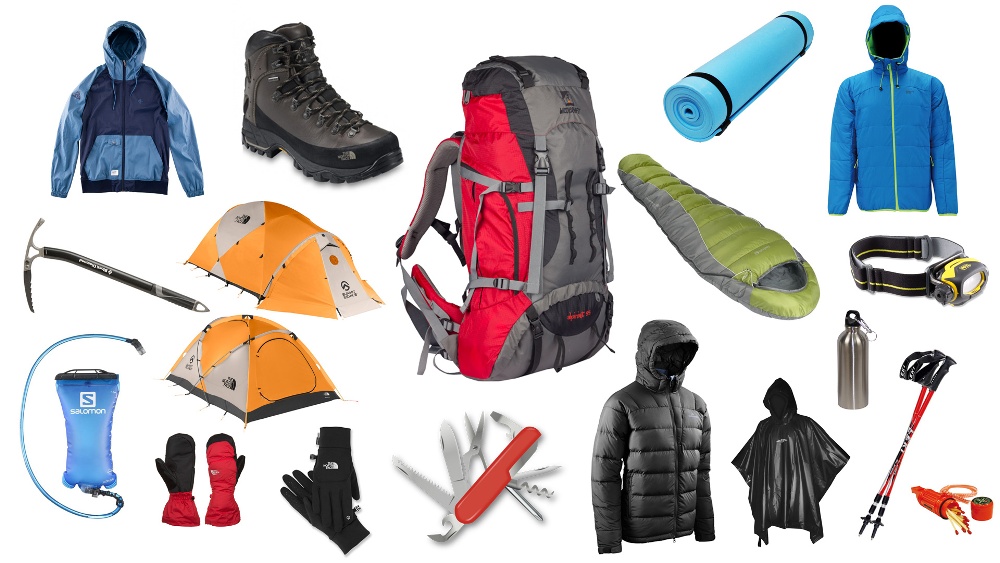
1. Proper Hiking Boots
High-quality, waterproof hiking boots are a must for Kilimanjaro. The terrain varies from forest trails to rocky slopes and scree fields, so sturdy boots with ankle support prevent injuries. Make sure they are well-broken-in to avoid blisters and discomfort during long treks.
2. Warm Clothing Layers
Mount Kilimanjaro’s climate ranges from tropical heat at the base to freezing temperatures near the summit. Layering is key: base layers wick moisture, mid-layers provide insulation, and waterproof outer layers protect against wind, rain, and snow. Layering allows trekkers to adjust clothing as conditions change.
3. Sleeping Bag (4-Season Rated)
Cold nights are expected at high altitudes, often dropping below -10°C. A 4-season sleeping bag ensures warmth and comfort. Lightweight down or synthetic bags designed for extreme conditions help trekkers rest properly, which is crucial for altitude acclimatization.
4. Headlamp with Extra Batteries
Summit attempts often start before dawn, so a reliable headlamp is essential for navigating in darkness. Extra batteries are important because cold temperatures can drain battery life quickly. Hands-free lighting also helps during campsite tasks at night.
5. Hydration System (3–4 Liters)
Staying hydrated prevents altitude sickness and fatigue. Trekking on Kilimanjaro is physically demanding, and dry air increases water loss. Hydration bladders or bottles allow easy access to water throughout the day, and adding electrolyte tablets can replace lost salts.
6. Personal Medications & First Aid Kit
A small first aid kit should include blister treatment, bandages, painkillers, anti-nausea medication, and altitude sickness tablets. Trekking medicine ensures you can respond to minor health issues without relying solely on guides or campsites.
7. Trekking Poles
Trekking poles reduce strain on knees and legs, especially on steep ascents and descents. They provide balance on uneven terrain, help conserve energy, and are particularly useful in high-altitude scree or snow-covered sections.
8. Backpack (Daypack) & Waterproof Cover
A comfortable daypack carries essentials such as snacks, water, extra layers, camera, and personal items. Waterproof covers protect your belongings from rain or mud, keeping gear dry and accessible during long hiking days.
9. Sun Protection Gear
High-altitude sun exposure on Kilimanjaro can be intense. Sunglasses, broad-brimmed hats, and high-SPF sunscreen protect skin and eyes from UV damage. Lip balm with SPF also helps prevent chapped lips in dry, sunny conditions.
10. Snacks & Energy Boosters
Calories burn quickly while trekking, so carrying high-energy snacks like nuts, chocolate, energy bars, and electrolyte supplements is essential. These provide quick energy, maintain stamina, and help combat fatigue on long summit days.